Indian-Born Astronomer to Lead NASA’s PUFFINS Mission
Eduteria Insights · 21 Oct 2026
Why in News?
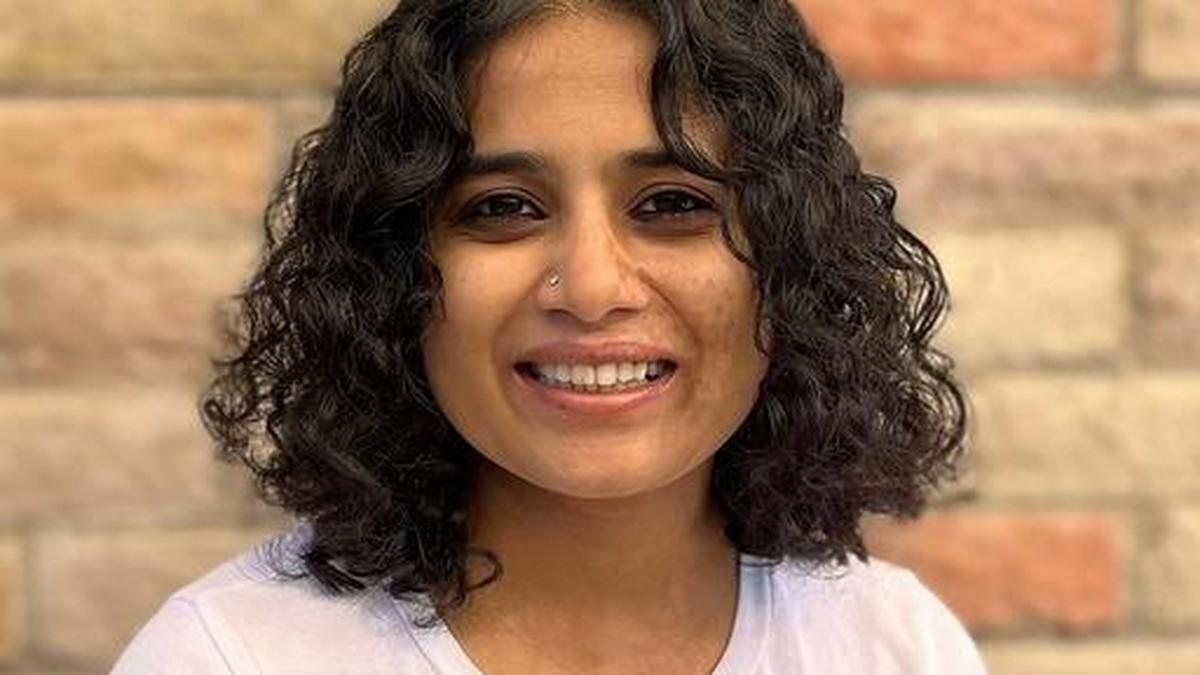
Bengaluru-born astronomer Dr. Ramya Anche has been selected as the principal investigator of NASA’s $20 million PUFFINS space telescope mission, under its Astrophysics Pioneers program.
Targeted for launch in 2030, the mission will investigate tiny interstellar dust particles to improve our understanding of how stars and planets form.
What Is NASA’s PUFFINS Mission?
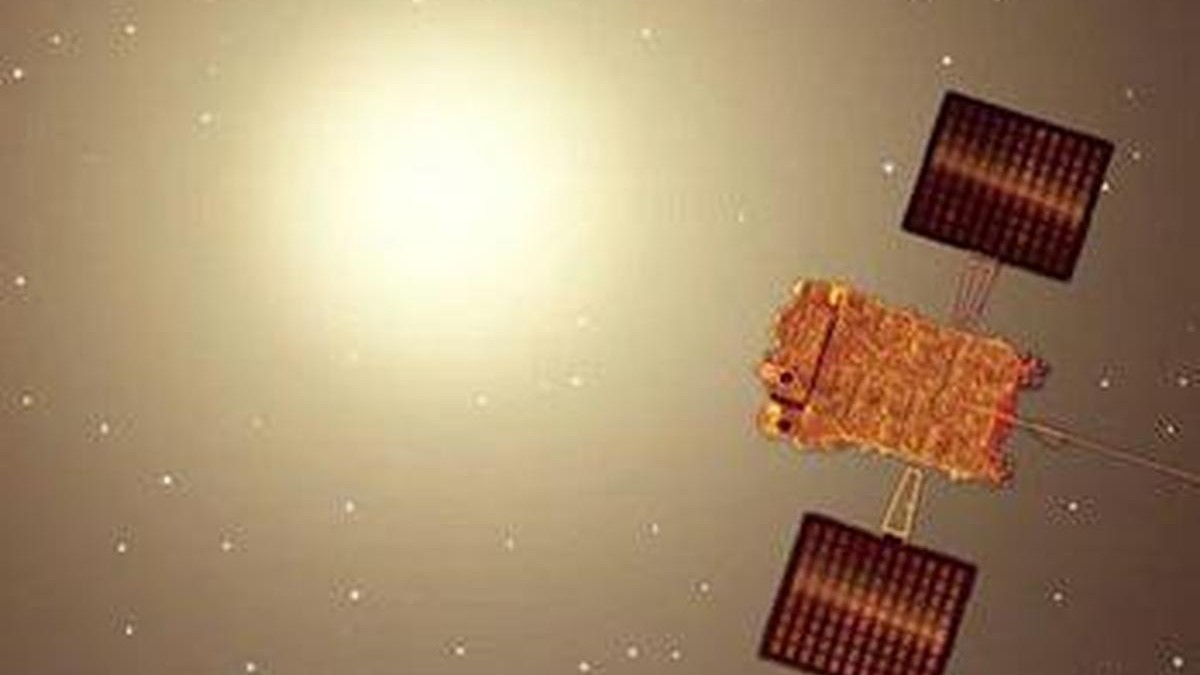
PUFFINS stands for Polarimetry in the Ultraviolet to Find Features in Interstellar Dust. It will use a 10-inch telescope to observe ultraviolet light from around 70 distant stars.
The mission will study extremely tiny dust grains, roughly comparable in size to a common cold virus. Though difficult to observe, these particles influence how starlight travels through the galaxy and play an important role in understanding the formation of stars and planets.
PUFFINS will use ultraviolet spectro polarimetry, a specialized technique for studying the properties of light, to investigate these particles.
From Devanahalli to NASA: An Inspiring Journey
Growing up in Devanahalli, near Bengaluru, Dr. Ramya Anche has journeyed from local classrooms to the forefront of international space research. She is an assistant research professor at Steward Observatory, University of Arizona, and previously joined the Indian Institute of Astrophysics (IIA) in 2012.
Her selection followed a competitive process in which scientists and engineers submitted detailed mission proposals to NASA. The mission received $20 million in funding to design, build, and launch its telescope.
India’s Contribution to the PUFFINS Mission
The mission involves around 40 scientists, engineers, and researchers, with participation from the University of Arizona, McDonald Observatory, IUCAA Pune, and IIA Bengaluru.
By leading PUFFINS, Dr. Anche will help explore the universe at its smallest scales, bringing scientists closer to understanding how stars and planets take shape.
Swipe up (or press ↓) for the next news