153rd IPU Assembly
Eduteria Insights · 21 Oct 2026
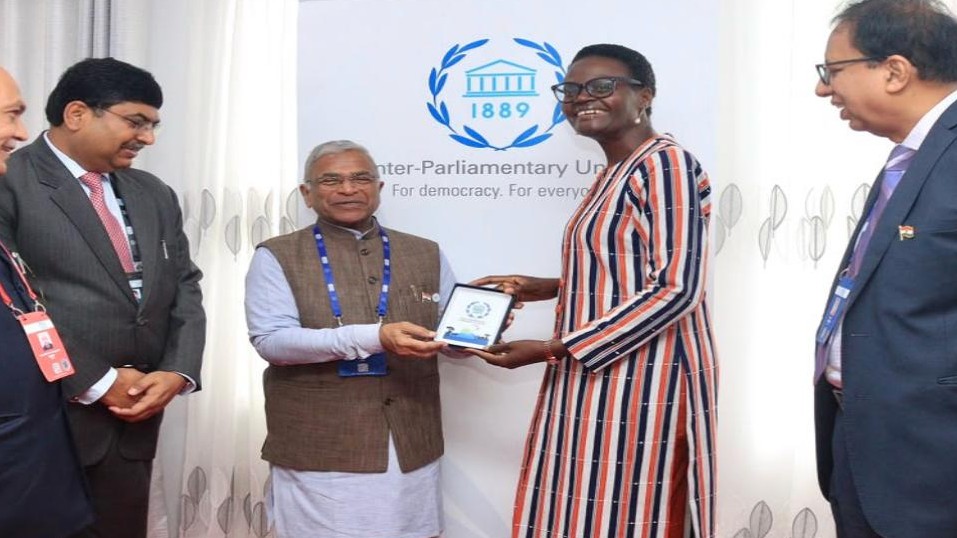
Recently, the Indian Parliamentary Delegation, led by Harivansh, a deputy chairman of Rajyasabha, participated in the 153rd IPU Assembly. He was carrying a nine-member team to Arusha, Tanzania, for the 153rd Assembly of the Inter-Parliamentary Union.
The theme was simple yet powerful: “Enhancing good governance and empowering communities through inclusivity, trust, and opportunities for all.”
In the rolling hills of Arusha, Tanzania, India found its voice again on the global stage.
Delegates debated terrorism, climate change, artificial intelligence, health, maritime security, and the empowerment of women. For India, these are not distant global issues; they are daily realities.
When the Assembly concluded, three outcomes stood out. First, the Arusha Communiqué was adopted, a promise by nations to build governments that people trust, are accountable to, and are inclusive.
Second, two key resolutions were passed. One focused on the rights and empowerment of persons with disabilities.
The other addressed something very close to India’s heart: strengthening resilience against climate-related disasters, especially in the fragile Himalayan region.
Third, history was made as Milton Dick, Speaker of Australia’s House of Representatives, was elected the 32nd President of the IPU, succeeding Tulia Ackson of Tanzania.
About IPU
The Inter-Parliamentary Union (IPU), founded in 1889 by Cremer and Passy, is the global organization of parliaments, headquartered in Geneva since 1921. With 184 member parliaments and 15 associates as of October 2026, it promotes peace, democracy, human rights, and sustainable development. 30 June marks the International Day of Parliaments.
Swipe up (or press ↓) for the next news