EDU TERIA Logo
CartSign InSign UpEnroll Now
Back Modern Indian History
BPSC Mains GS-1 Masterclass · Modern Indian History

Allies, Rivals & a VerdictPeasant Movements in Bihar III

In the 1940s Swami Sahajanand fell out first with the socialists and then with the communists, and kept the Kisan Sabha out of Quit India. This page follows those quarrels and then weighs the movement as a whole: who led it, whom it served, and what it achieved.

SplitMar 1941Dumraon clash

socialists vs communists.

194260,000 vs 5,000Rival sabhas

Socialist vs Sahajanand-led.

Decline2,50,000 → 27,168Membership fall

1939 to April 1942.

New body9 Jul 1945Hind Kisan Sabha

formed at Bombay.

ClassRs 24Rent per bigha

paid by the poor in the depression.

Verdict2 phasesOf the movement

moderate to 1936, then Bakasht.

Part 1 · Sahajanand's clash with the socialists

The War, Quit India and a Divided Kisan Sabha

Sahajanand moved close to the communists, kept the Sabha out of Quit India and lost most of its members to the socialists.

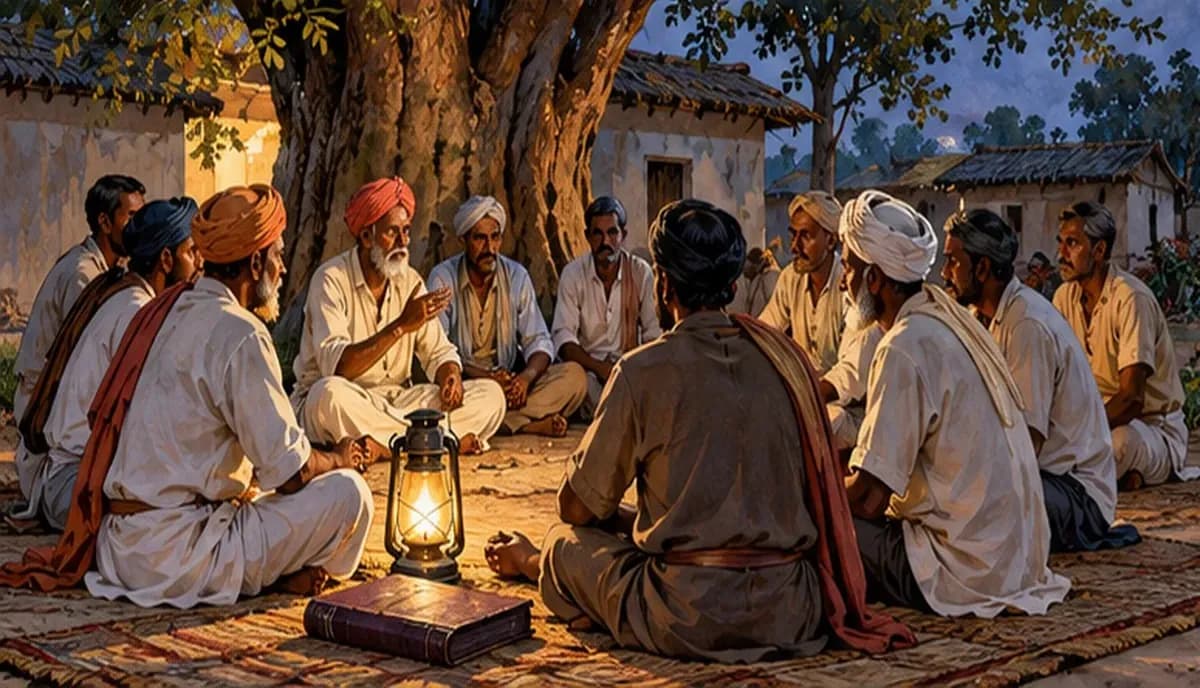
Illustration of a 1940s peasant conference in a Bihar town, two groups of delegates standing apart in a tense hall

Differences over the war

There were differences within the organization also over the war. The socialist and the communist supporters of the Sabha clashed over this issue during the BPKS's conference at Dumraon in March, 1941.

  • Now, the Communists became dominant in Sabha. Sahajanand also became close to communists and even instructed the then BPKS President Yamuna Karjee to remove CSP leaders from the Sabha. It led to verbal clashes and resignation by many socialist leaders.
  • The Forward Bloc supporters showed black flag to Sahajanand on his way to Sherghati in Gaya district where the BPKS organised its next conference in 1942.
  • Socialists always viewed the war as ‘imperialist’ and expressed that ‘the Indians should take no part in it’. They also raised funds for an All India Kisan Conference in opposition to the Sahajanand's faction which was to organise a conference at Bihta in May 1942.

Divided again over Quit India

The Kisan Sabha again got divided when Sahajanand asked peasants not to participate in the Quit-India Movement.

  • Although it expressed ‘full sympathy with the idea of independence and its condemnation of Government repression’, it wanted to focus ‘their attention on helping Russia and China to defeat the Fascist powers so that a Kisan-Mazdoor Raj might eventually be established’.
  • Sahajanand believed helping Russia implied helping Britain which was ‘necessary not through love of the British, but to save the country from fascism, a greater peril than British Imperialism’.
  • In the Ninth Session of BPKS, Sahajanand requested peasants ‘not to struggle unnecessarily’ and ‘to have patience and wait’ for the appropriate time to come.
    • The Kisan Sabha also supported the government's ‘Grow More Food Campaign’ and advised peasants to use various types of fertilisers to increase agricultural productivity.
“No country has ever gained its freedom by indulging in acts of goondaism, looting, robbery, and sabotage.”
Sahajanand and Yadunandan Sharma (AIKS General Secretary and BPKS President), 1942, condemning violence in the name of national struggle as unethical

The socialists take the other road

As a result of the Kisan Sabha's support to the British, the anti-Sahajanand group, especially the socialists, more aggressively participated in the Quit India Movement against the British.

  • They also organised the Socialist Kisan Sabha in which about sixty thousand peasants participated while the Sahajanand–led Kisan Sabha had the participation of only about five thousand peasants.
  • Many socialists who were formerly Kisan Sabha leaders were also organising peasant movements in the villages, despite repeated appeals by Sahajanand and Sankrityayan not to do so.
When the nation called, the peasant movement faded

It is to be noted that when the question of the national movement arose, the peasants' movement became insignificant.

The membership of the Kisan Sabha declined from 2,50,000 in 1939 to 54,000 in March 1942 and then to 27,168 within the next month. Nevertheless, Sahajanand and his associates continued their efforts to bring peasants into the Kisan Sabha movement.

“These peasant struggles created the climate for zamindari abolition and other types of land reforms in Bihar.”
— BPSC Mains answer · Peasant movements in Bihar

Curated for BPSC, UPSC & State PCS Civil Services Aspirants | Modern Indian History Master Module