EDU TERIA Logo
CartSign InSign UpEnroll Now
Back Modern Indian History
BPSC Mains GS-1 Masterclass · Modern Indian History

Peasant Movements in BiharSwami Sahajanand and the Kisan Sabha

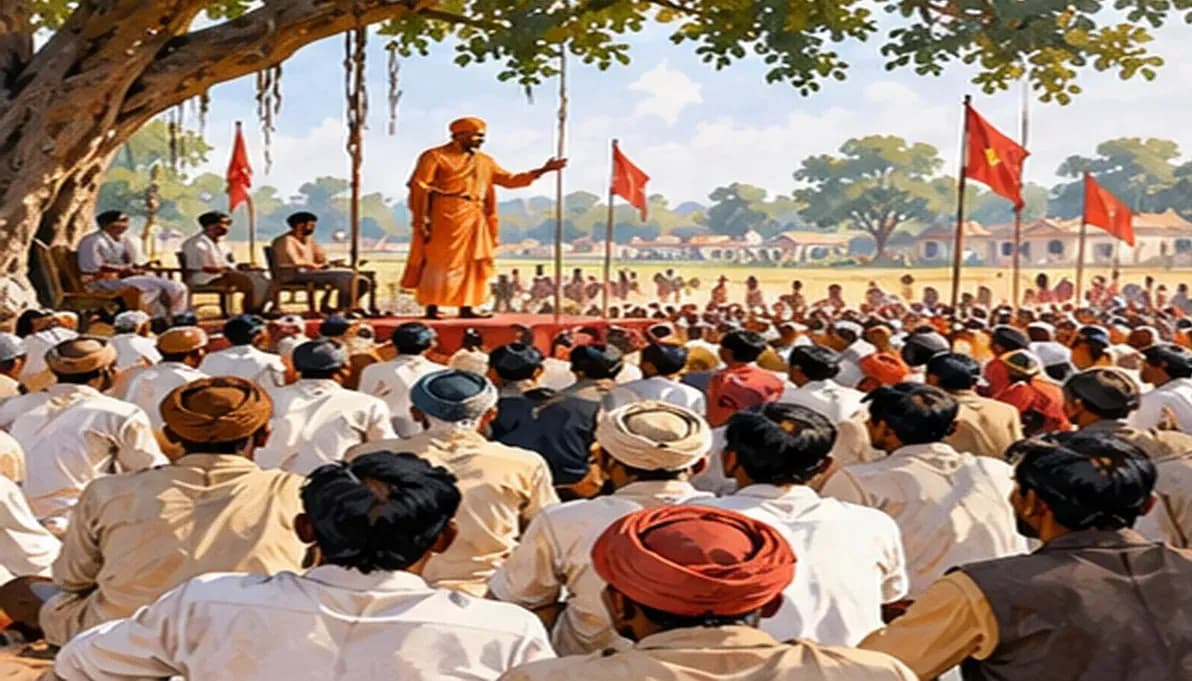
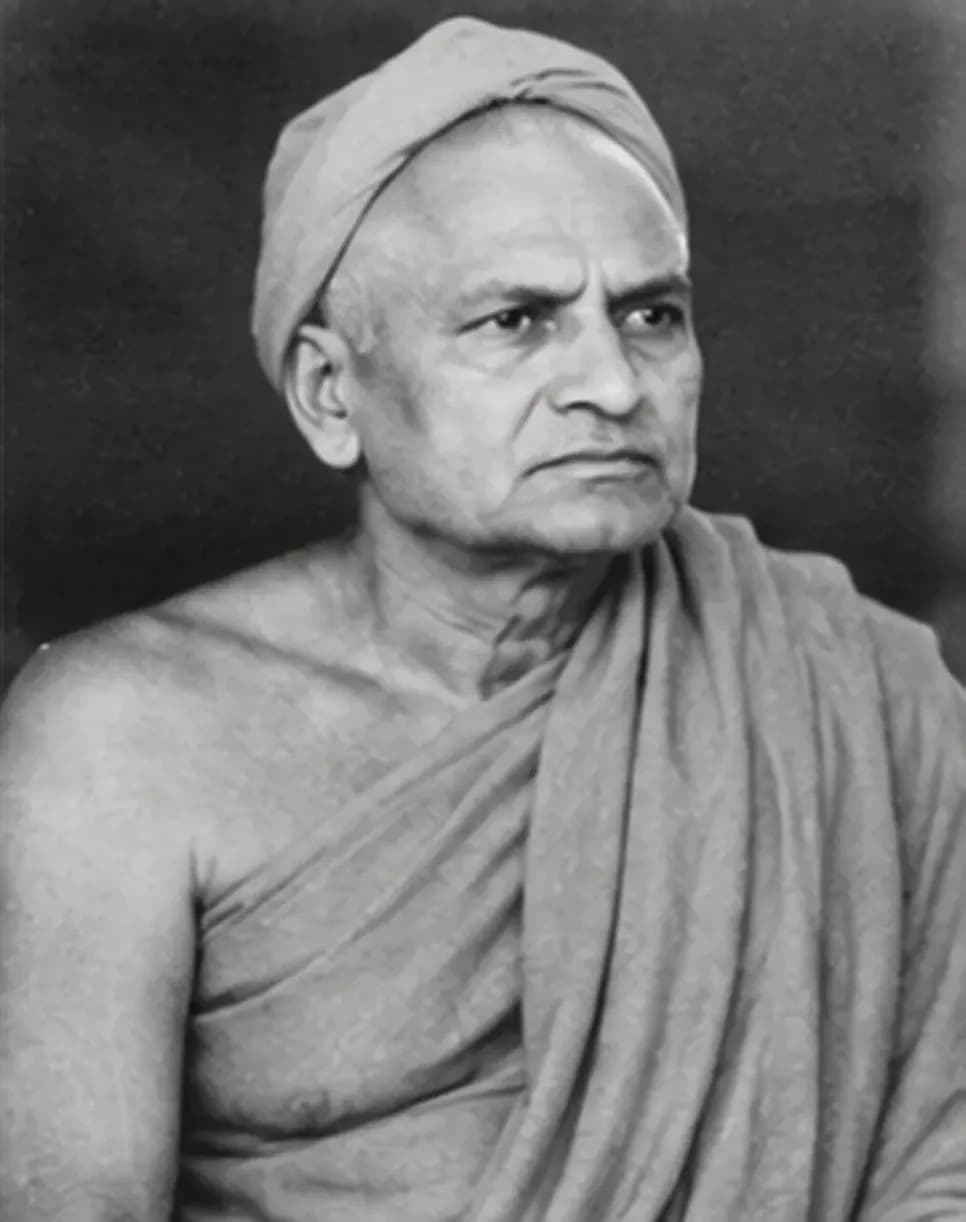
Under the zamindari of colonial Bihar, peasants paid rent, begar and illegal levies, and lost their land in bad years. Their protests, from Champaran to the Darbhanga Raj, took organised form in 1929 when Swami Sahajanand Saraswati founded the Bihar Provincial Kisan Sabha.

Agrarian90%+Lived on farming

of Bihar's colonial population.

Founding1929Kisan Sabha founded

at Sonepur, under Sahajanand.

Strength2,50,000Members by 1938

of the Kisan Sabha.

All India1936AIKS formed

at Lucknow, Sahajanand president.

Mass1 lakhPeasants at Patna

in the 1938 demonstration.

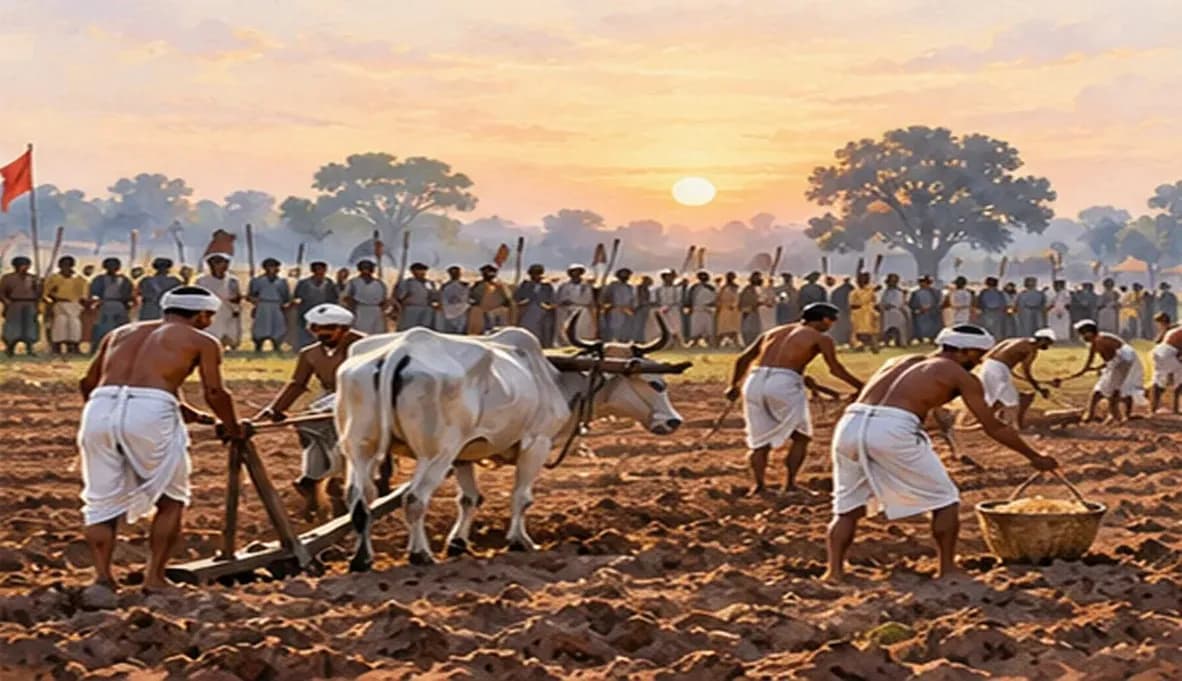
Bakasht850 / 1,000Bighas restored

to tenants at Reora.

Part 1 · Agrarian issues in colonial Bihar

Why Bihar's Peasants Rose

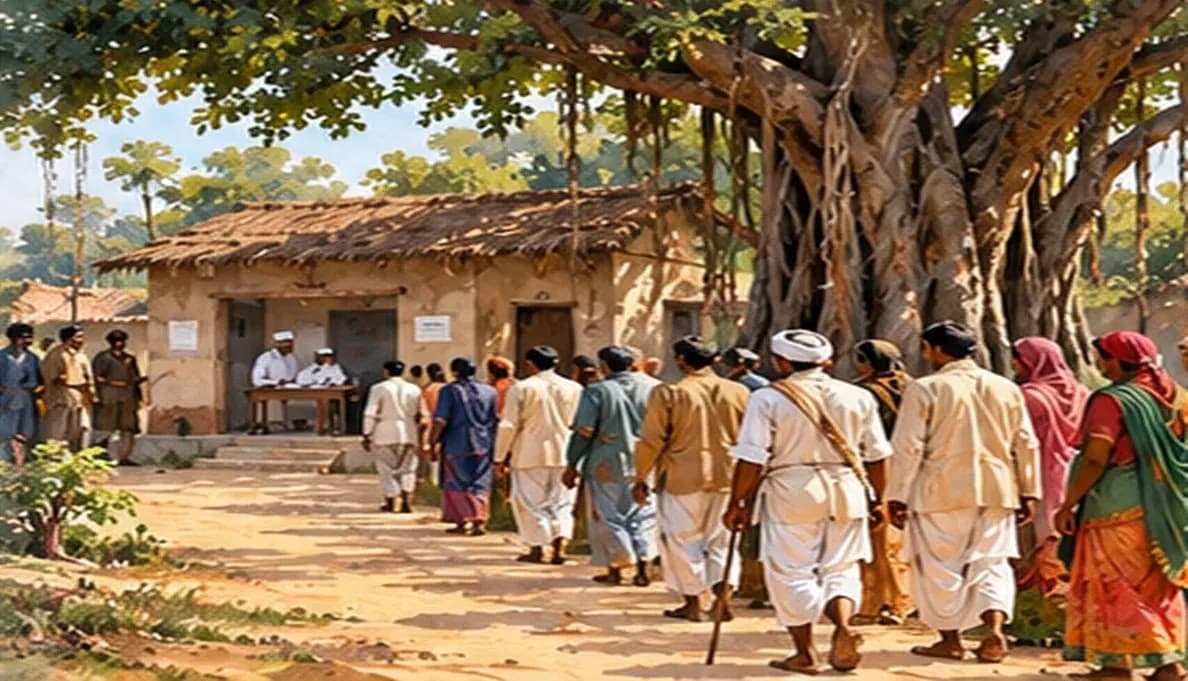
Rent, begar, illegal exactions, eviction, debt and the Great Depression made the peasant's life pathetic under zamindari.

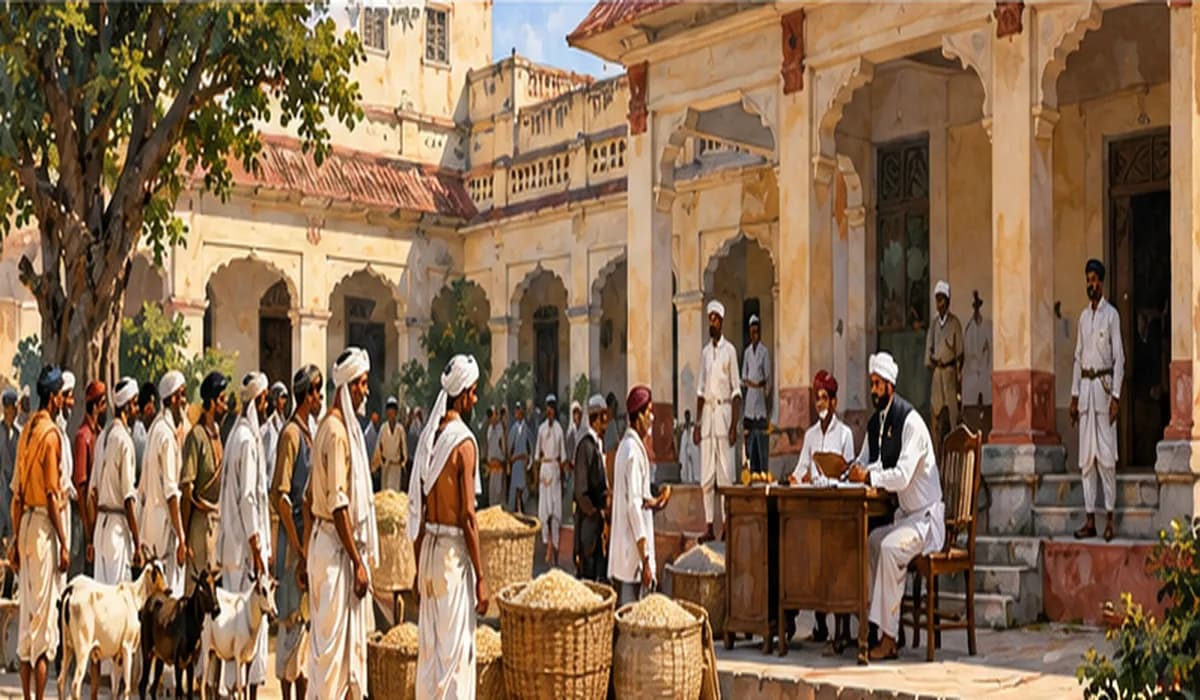
Illustration of peasants in colonial Bihar bringing grain, ghee and goats to a zamindar's courtyard while an agent keeps accounts

A regular feature of colonial India

Peasant movements were regular feature in the colonial India and Bihar was not an exception to it. During the colonial rule, agriculture was the mainstay of more than 90% population of Bihar. Further, due to ruralisation, de-industrialisation the burden on agriculture only increased.

The land revenue system based on permanent settlement was exploitative and oppressive in nature. Overall scenario led to the discontent among the peasant community which was reflected in the peasant movements throughout the colonial period.

The peasant movement assumed organised form after the establishment of the Bihar Provincial Kisan Sabha under leadership of Sahajanand in 1929.

Exam tip

Mention the agrarian issues only briefly when answering the 2001 question.

  • The condition of peasants and labourers was very pathetic in colonial Bihar. They had to pay substantial taxes and several kinds of arrears to landlords.
    • For example, they gave begar service at the landlord's house, and they were not even entitled to use crops without landlords' approval if the landlord's men put ‘cow-dung’, a symbolic warning, on crops.
  • The peasants were forced to supply ghee, curd, milk, goats, and rice etc. on various occasions free of cost.
  • Several zamindars like the Monghyr Raj collected taxes even if the land was under water due to flooding. Peasant assets were confiscated upon their failure to pay rent on time.
    • At Simri under Dumraon's zamindari, peasants were ‘made to pay even when they could produce nothing… [and] no remission was granted for their lands getting covered with river sands and becoming unfit for cultivation’.
“Though he died in 1950, it was his great effort that zamindari system finally got abolished in 1952.”
— BPSC Mains answer · Swami Sahajanand Saraswati

Curated for BPSC, UPSC & State PCS Civil Services Aspirants | Modern Indian History Master Module