

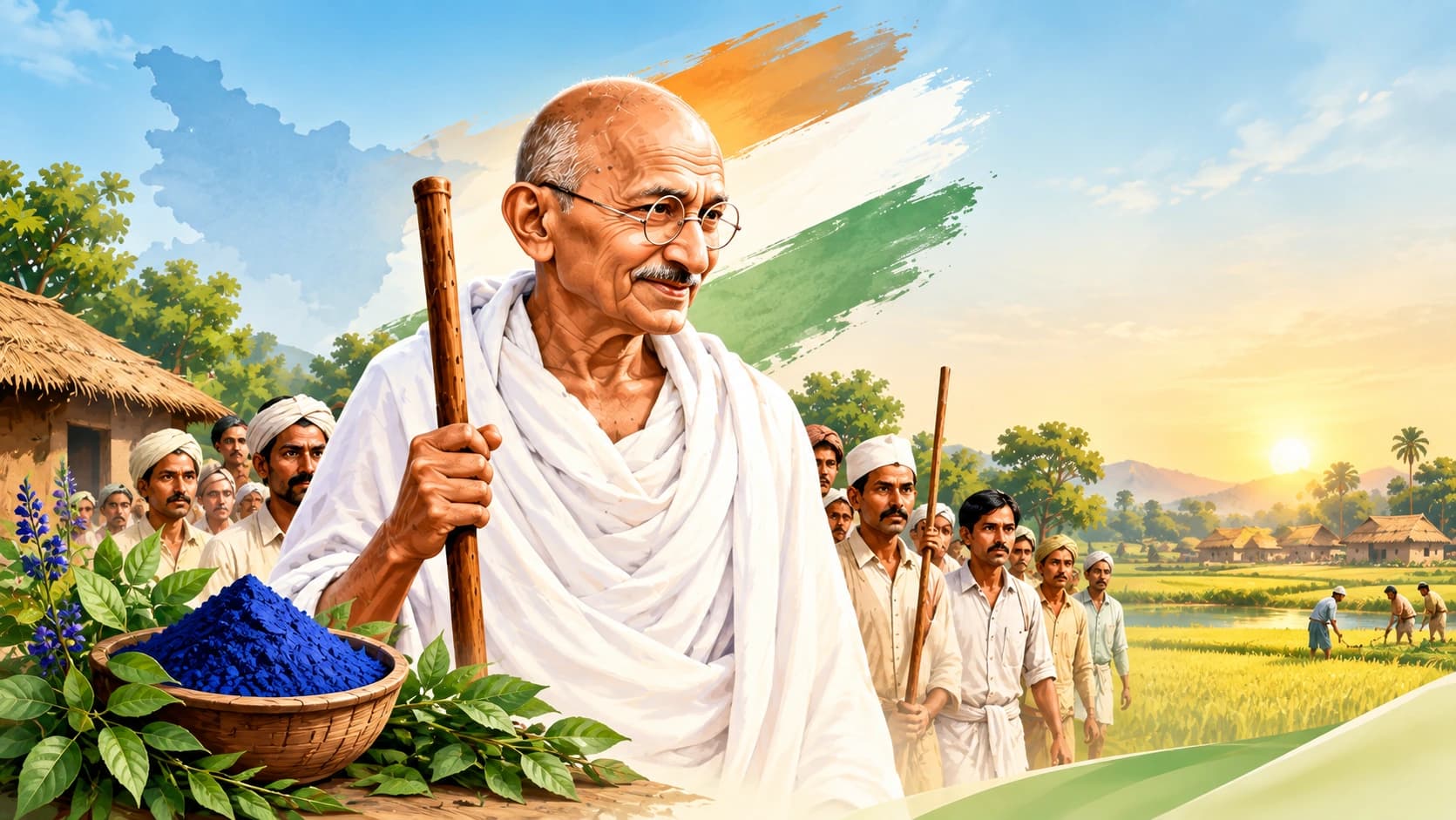
01
Wartime shortages and rising prices of essentials such as rice and salt fed popular discontent.
युद्धकालीन कमी और चावल तथा नमक जैसी आवश्यक वस्तुओं की बढ़ती कीमतों ने जन-असंतोष को बढ़ाया।
Modern Indian History · Bihar Specialआधुनिक भारतीय इतिहास · बिहार विशेष
From the ‘Do or Die’ call to Bihar's martyrdom and underground resistance: the people turned the demand for independence into a mass uprising.‘करो या मरो’ के आह्वान से बिहार के बलिदान और भूमिगत प्रतिरोध तक: जनता ने स्वतंत्रता की मांग को जन-विद्रोह में बदल दिया।
The movement was born under mass repression and state fear.आंदोलन व्यापक दमन और औपनिवेशिक भय के बीच जन-विद्रोह बना।
Gandhi's clarion cry transformed protest into a mass uprising.गांधी के आह्वान ने विरोध को व्यापक जन-विद्रोह में बदल दिया।
One of the largest concentrations of arrests in the movement.आंदोलन में गिरफ्तारियों की सबसे बड़ी क्षेत्रीय संकेंद्रणों में से एक।
Patna Secretariat flag hoisting brought intense state violence.पटना सचिवालय में ध्वजारोहण के प्रयास में राज्य की हिंसक कार्रवाई हुई।
Jayaprakash Narayan's jailbreak became a symbol of defiance.जयप्रकाश नारायण का जेल से पलायन प्रतिरोध का प्रतीक बना।
British repression dismantled the underground force by 1943.ब्रिटिश दमन और नेपाली सहयोग से भूमिगत दस्ता 1943 तक तोड़ दिया गया।
The Quit India Movement was launched after the failure of the Cripps Mission and the collapse of confidence in British promises. Gandhi's call at Gowalia Tank Maidan in Bombay, ‘Do or Die’, transformed protest into a mass uprising. The British responded with harsh repression, but the movement gave the country one of its clearest expressions of public refusal to continue under colonial rule.क्रिप्स मिशन की विफलता और ब्रिटिश वादों पर घटते विश्वास के बाद भारत छोड़ो आंदोलन शुरू हुआ। बंबई के गोवालिया टैंक मैदान में गांधी के ‘करो या मरो’ आह्वान ने विरोध को जन-विद्रोह में बदल दिया। ब्रिटिश शासन ने कठोर दमन किया, फिर भी आंदोलन ने औपनिवेशिक शासन के विरुद्ध जनता के स्पष्ट अस्वीकार को सामने रखा।
In Bihar, the movement became deeply popular and politically explosive.बिहार में आंदोलन अत्यंत लोकप्रिय और राजनीतिक रूप से विस्फोटक बन गया।
Students, workers, peasants and youth challenged state power through demonstrations, sabotage and underground action.छात्रों, श्रमिकों, किसानों और युवाओं ने प्रदर्शन, विघटनकारी कार्रवाई और भूमिगत प्रतिरोध के माध्यम से औपनिवेशिक सत्ता को चुनौती दी।
The failure of the Cripps Mission left real power in British hands and deepened the constitutional deadlock. On 14 July 1942, the Congress Working Committee accepted the idea of a struggle at Wardha. The All India Congress Committee adopted the Quit India resolution at Gowalia Tank Maidan, Bombay, on 8 August. Gandhi gave the call, “Do or Die”; the British arrested the leading Congress leadership the following morning.क्रिप्स मिशन की विफलता ने वास्तविक सत्ता ब्रिटिश हाथों में छोड़ी और संवैधानिक गतिरोध को गहरा किया। 14 जुलाई 1942 को वर्धा में कांग्रेस कार्य समिति ने संघर्ष के विचार को स्वीकार किया। 8 अगस्त को बंबई के गोवालिया टैंक मैदान में अखिल भारतीय कांग्रेस समिति ने भारत छोड़ो प्रस्ताव अपनाया। गांधी ने “करो या मरो” का आह्वान किया; अगली सुबह कांग्रेस के अग्रणी नेताओं को गिरफ्तार कर लिया गया।
Wartime shortages and rising prices of essentials such as rice and salt fed popular discontent.
युद्धकालीन कमी और चावल तथा नमक जैसी आवश्यक वस्तुओं की बढ़ती कीमतों ने जन-असंतोष को बढ़ाया।
British reverses in South-East Asia and the advance of Japanese forces towards India's borders intensified public anxiety.
दक्षिण-पूर्व एशिया में ब्रिटिश पराजयों और भारत की सीमाओं की ओर जापानी सेनाओं की बढ़त से चिंता गहरी हुई।
The commandeering of boats in Bengal and Orissa added to wartime hardship. Reports of a possible scorched-earth policy in Assam, Bengal and Orissa heightened fear of an approaching Japanese invasion.
बंगाल और उड़ीसा में नावों को सरकारी काम में ले लिए जाने से युद्धकालीन कठिनाई बढ़ी। असम, बंगाल और उड़ीसा में संभावित जापानी आक्रमण के सामने झुलसी धरती की नीति अपनाए जाने की आशंका ने भय बढ़ाया।
People withdrew deposits from banks and post offices as faith in the stability of British rule weakened.
ब्रिटिश शासन की स्थिरता पर विश्वास घटने से लोगों ने बैंकों और डाकघरों से जमा राशि निकालनी शुरू कर दी।
The evacuation of South-East Asia left many Indian subjects to their fate, while separate routes for Indian and European refugees exposed racial discrimination. The defeat of a European power by an Asian power further damaged British prestige.
दक्षिण-पूर्व एशिया से लौटते समय भारतीयों को उनके हाल पर छोड़ना और भारतीय तथा यूरोपीय शरणार्थियों के लिए अलग मार्ग रखना नस्लीय भेदभाव को उजागर करता था। एक एशियाई शक्ति के हाथों यूरोपीय शक्ति की पराजय से ब्रिटिश प्रतिष्ठा को और धक्का लगा।
National leaders feared that a demoralised population might not resist a Japanese occupation. Gandhi's call for British withdrawal was also intended to prepare the people to face that danger.
राष्ट्रीय नेताओं को आशंका थी कि हतोत्साहित जनता जापानी कब्जे का प्रतिरोध नहीं कर पाएगी। इसलिए ब्रिटिश वापसी का गांधी का आह्वान जनता को उस खतरे का सामना करने के लिए तैयार करने से भी जुड़ा था।
The slogan ‘Quit India’ was coined by Yusuf Meherally and became the defining mass cry of the struggle.‘भारत छोड़ो’ का नारा यूसुफ मेहरअली ने दिया और यह संघर्ष की निर्णायक जन-पुकार बना।
Students, peasants, workers and volunteers transformed protest into decentralized demonstrations, sabotage and disobedience.छात्रों, किसानों, श्रमिकों और स्वयंसेवकों ने विरोध को विकेन्द्रीकृत प्रदर्शन, विघटन और अवज्ञा में बदला।
After senior leaders were arrested, Jayaprakash Narayan, Ram Manohar Lohia and Aruna Asaf Ali helped sustain resistance.वरिष्ठ नेताओं की गिरफ्तारी के बाद जयप्रकाश नारायण, राममनोहर लोहिया और अरुणा आसफ अली ने प्रतिरोध को जारी रखा।
The movement became one of the most popular mass movements in the freedom struggle.आंदोलन स्वतंत्रता संघर्ष के सबसे लोकप्रिय जनांदोलनों में से एक बना।
Bihar became one of the principal centres of the August uprising. Student initiative in Patna quickly widened into worker strikes, peasant resistance and local challenges to colonial authority.बिहार अगस्त क्रांति के प्रमुख केंद्रों में था। पटना की छात्र-पहल शीघ्र ही श्रमिक हड़तालों, किसान प्रतिरोध और औपनिवेशिक सत्ता को स्थानीय चुनौती में बदल गई।
Dr. Rajendra Prasad was arrested and kept in Bankipore Jail. A plan for action after the leaders' arrest had been prepared in advance and kept secret with Sakhi Chand Jaiswal.
डॉ. राजेंद्र प्रसाद को गिरफ्तार कर बांकीपुर जेल में रखा गया। नेताओं की गिरफ्तारी के बाद की कार्रवाई की योजना पहले से तैयार कर सखी चंद जायसवाल के पास गोपनीय रखी गई थी।
On 11 August 1942, students marched to the Patna Secretariat and tried to hoist the national flag. Police firing killed seven students; the date came to be remembered as Martyrs' Day.
11 अगस्त 1942 को छात्र पटना सचिवालय पहुँचे और राष्ट्रीय ध्वज फहराने का प्रयास किया। पुलिस की गोलीबारी में सात छात्र शहीद हुए; यह दिन शहीद दिवस के रूप में याद किया जाने लगा।
The seven included Umakant Prasad Sinha, Ramanand Singh, Devi Pad Chaudhary and Rajendra Singh. The students' sacrifice intensified the movement; police also shot Phulena Prasad Srivastava, Dhruv Kumar and Shyam Bihari Lal during flag-hoisting attempts elsewhere.
सात शहीदों में उमाकांत प्रसाद सिन्हा, रामानंद सिंह, देवी पद चौधरी और राजेंद्र सिंह शामिल थे। छात्रों के बलिदान ने आंदोलन को और तेज किया; अन्य स्थानों पर ध्वज फहराने के प्रयास में पुलिस ने फुलेना प्रसाद श्रीवास्तव, ध्रुव कुमार और श्याम बिहारी लाल को भी गोली मारी।
Patna Medical College staff went on strike. In Jamshedpur, TISCO workers struck, with about 30,000 workers participating in one action; Dalmianagar also saw a workers' strike.
पटना मेडिकल कॉलेज के कर्मचारी हड़ताल पर गए। जमशेदपुर में टिस्को के श्रमिकों की हड़ताल में एक बार लगभग 30,000 श्रमिक शामिल हुए; डालमियानगर में भी हड़ताल हुई।
Peasant resistance spread across Bihar. Demonstrators targeted railway stations, treasuries, post offices and police stations; local officials and village police sometimes abandoned their posts.
किसान प्रतिरोध पूरे बिहार में फैला। प्रदर्शनकारियों ने रेलवे स्टेशन, कोषागार, डाकघर और थानों को निशाना बनाया; कुछ स्थानों पर स्थानीय अधिकारी और ग्राम पुलिस पद छोड़ गए।
Dumraon and Saran police stations were set on fire. Communications were disrupted in Darbhanga and Singhvara; trains adapted by protesters were remembered as “Swaraj trains”.
डुमरांव और सारण के थानों में आग लगाई गई। दरभंगा और सिंहवाड़ा में संचार बाधित हुआ; प्रदर्शनकारियों द्वारा इस्तेमाल की गई रेलगाड़ियाँ “स्वराज ट्रेन” के नाम से याद की गईं।
Parallel local authority appeared in places including Champaran, Palamu, Hazaribagh, Hajipur, Muzaffarpur, Sitamarhi and Darbhanga, alongside village panchayats.
चंपारण, पलामू, हजारीबाग, हाजीपुर, मुजफ्फरपुर, सीतामढ़ी और दरभंगा सहित कई स्थानों पर स्थानीय समानांतर शासन और गाँवों में पंचायतें बनीं।
An indigenous government was formed at Ambarpur in Banka. In Barh, Gops and Dusadhs formed their own “Raj” and began levying taxes; Tana Bhagats also challenged British authority in Chotanagpur.
बांका के अम्बरपुर में स्वदेशी सरकार बनी। बाढ़ में गोपों और दुसाधों ने अपना “राज” बनाकर कर लगाना शुरू किया; छोटानागपुर में टाना भगतों ने भी ब्रिटिश सत्ता को चुनौती दी।
Zamindars and merchants covertly provided support and funds. Participation crossed caste lines, while lower-level village police and civil administrators sometimes left their posts without resistance.
जमींदारों और व्यापारियों ने गुप्त रूप से सहायता और धन दिया। जातिगत सीमाओं के पार भागीदारी हुई; निचले स्तर के ग्राम पुलिस और नागरिक प्रशासक कई बार बिना विरोध पद छोड़ गए।
On 8 November 1942, Jayaprakash Narayan and Yogendra Shukla escaped from Hazaribagh Jail. The escape took place on Diwali, when many guards were away; the authorities learned of it about nine hours later.8 नवंबर 1942 को जयप्रकाश नारायण और योगेंद्र शुक्ल हजारीबाग जेल से निकल गए। दिवाली के दिन कई पहरेदार छुट्टी पर थे; अधिकारियों को पलायन का पता लगभग नौ घंटे बाद चला।
Narayan and Ram Manohar Lohia organised a parallel government near the Nepal border that lasted until 1944. In the Jaleshwar forest, Narayan organised the Azad Dasta, or Freedom Brigade.नारायण और राममनोहर लोहिया ने नेपाल सीमा के पास समानांतर सरकार बनाई, जो 1944 तक चली। नारायण ने जलेश्वर के जंगल में आज़ाद दस्ता यानी स्वतंत्रता ब्रिगेड संगठित किया।
The Dasta aimed to train young people in guerrilla methods. Its structure was decentralised and democratic, and it functioned almost without firearms.दस्ते का उद्देश्य युवाओं को गुरिल्ला पद्धति का प्रशिक्षण देना था। उसका संगठन विकेन्द्रीकृत और लोकतांत्रिक था तथा वह लगभग आग्नेयास्त्रों के बिना काम करता था।
Its three broad objectives were to disrupt communications; weaken government control over money, revenue and stores; and challenge centres of colonial authority such as police stations and local offices.उसके तीन व्यापक उद्देश्य थे: संचार बाधित करना; सरकारी धन, राजस्व और भंडारों पर शासन का नियंत्रण कमजोर करना; तथा थानों और स्थानीय कार्यालयों जैसे औपनिवेशिक सत्ता-केंद्रों को चुनौती देना।
Narayan opposed violence against human life and regarded arms as unnecessary to the programme. He saw the Dasta as an implementation of Gandhi's “Do or Die” call and a disciplined form of open rebellion.नारायण मानव-जीवन के विरुद्ध हिंसा के पक्ष में नहीं थे और हथियारों को कार्यक्रम के लिए अनिवार्य नहीं मानते थे। वे आज़ाद दस्ता को गांधी के “करो या मरो” आह्वान का क्रियान्वयन और अनुशासित खुले विद्रोह का रूप मानते थे।
Aruna Asaf Ali and other Congress Socialists mobilised volunteers for underground action. Usha Mehta's secret Congress Radio-also known as “Voice of Freedom”-carried messages and publicity.अरुणा आसफ अली और अन्य कांग्रेस समाजवादियों ने भूमिगत कार्रवाई के लिए स्वयंसेवकों को संगठित किया। उषा मेहता के गुप्त कांग्रेस रेडियो-जिसे “वॉयस ऑफ फ्रीडम” भी कहा गया-ने संदेश और प्रचार पहुँचाया।
A Gandhian current, associated with Sucheta Kripalani and others, emphasised non-violent action and constructive programmes.सुचेता कृपलानी और अन्य से जुड़ी गांधीवादी धारा ने अहिंसक कार्रवाई और रचनात्मक कार्यक्रमों पर बल दिया।
Narayan was recaptured in September 1943 and tortured for information but did not disclose details of the movement. By the end of 1943, British forces, with help from the Nepal government, had dismantled the Azad Dasta network.सितंबर 1943 में नारायण फिर गिरफ्तार हुए और उनसे जानकारी पाने के लिए यातना दी गई, लेकिन उन्होंने आंदोलन का भेद नहीं खोला। 1943 के अंत तक ब्रिटिश सेनाओं ने नेपाल सरकार की मदद से आज़ाद दस्ता के नेटवर्क को तोड़ दिया।
The Azad Dasta had little time to carry out its full plan, but achieved notable success. Secret organisations on its model also operated in Bhagalpur and Purnea.आज़ाद दस्ता को अपनी पूरी योजना लागू करने का कम समय मिला, फिर भी उसने उल्लेखनीय सफलता पाई। इसी मॉडल पर भागलपुर और पूर्णिया में भी गुप्त संगठन बने।
The Dastas faced limits: efforts to keep them under political control weakened, and some units developed links with professional gangs and became involved in what was described as “social crime”.दस्तों की कुछ सीमाएँ भी थीं: उन्हें राजनीतिक नियंत्रण में रखने के प्रयास कमजोर पड़े और कुछ इकाइयों के पेशेवर गिरोहों से संबंध बने तथा वे “सामाजिक अपराध” कही गई गतिविधियों में शामिल हुईं।
Core objectives
Communications, railways, postal systems, government funds and stores, police chowkies and administrative records were among the targets described for disruption.संचार व्यवस्था, रेलवे, डाक सेवाएँ, सरकारी धन और भंडार, पुलिस चौकियाँ तथा प्रशासनिक अभिलेख विघटन के प्रमुख लक्ष्य थे।
Aruna Asaf Ali became a prominent underground organiser and helped mobilise volunteers for resistance.
अरुणा आसफ अली प्रमुख भूमिगत आयोजक बनीं और प्रतिरोध के लिए स्वयंसेवकों को संगठित करने में मदद की।
Usha Mehta helped operate the secret Congress Radio, carrying news and messages when public communication was heavily controlled.
उषा मेहता ने गुप्त कांग्रेस रेडियो चलाने में योगदान दिया, जिसने सार्वजनिक संचार पर कड़े नियंत्रण के बीच समाचार और संदेश पहुँचाए।
Sucheta Kripalani and other Gandhian activists emphasised non-violent action and constructive programmes.
सुचेता कृपलानी और अन्य गांधीवादी कार्यकर्ताओं ने अहिंसक कार्रवाई और रचनात्मक कार्यक्रमों पर बल दिया।
Matangini Hazra and Gulabi Sonar are among the women freedom fighters associated with the movement; Gulabi Sonar is remembered in the Bihar context.
मातंगिनी हाजरा और गुलाबी सोनार आंदोलन से जुड़ी महिला स्वतंत्रता सेनानियों में थीं; बिहार के संदर्भ में गुलाबी सोनार का विशेष उल्लेख मिलता है।
In Chhapra, women led by Shanti Devi appealed to the police as their brothers; the police refused to lathi-charge them. Such moments of disobedience within the administration reflected the weakening authority of British rule.
छपरा में शांति देवी के नेतृत्व में महिलाओं ने पुलिसकर्मियों को अपना भाई कहकर संबोधित किया; पुलिस ने उन पर लाठीचार्ज करने से इनकार कर दिया। प्रशासन के भीतर ऐसी अवज्ञा ब्रिटिश सत्ता के कमजोर पड़ने का संकेत थी।
Gandhi said that when the history of India's struggle for independence was written, the sacrifice of Indian women would occupy the foremost place.
गांधी ने कहा था कि भारत की स्वतंत्रता की लड़ाई का इतिहास लिखे जाने पर भारतीय महिलाओं के बलिदान को सर्वोच्च स्थान मिलेगा।
Hard reality
Mass arrests, village burnings and police repression.व्यापक गिरफ्तारियाँ, गाँव जलाना और पुलिस दमन।
Yet the movement was not a failure in political terms. It changed the nature of the freedom struggle by making independence a mass popular demand.फिर भी राजनीतिक अर्थों में यह आंदोलन विफल नहीं था। इसने स्वतंत्रता को व्यापक जन-आकांक्षा बनाकर स्वतंत्रता संघर्ष की प्रकृति बदल दी।
It was the last major mass movement in the quest for independence and brought the national demand to the centre of public politics.यह स्वतंत्रता की खोज में अंतिम प्रमुख जनांदोलन था और स्वतंत्रता की मांग को सार्वजनिक राजनीति के केंद्र में ले आया।
The call captured urgency, sacrifice and the refusal to submit to continued colonial rule.इस आह्वान ने तात्कालिकता, बलिदान और औपनिवेशिक शासन के आगे न झुकने की भावना को व्यक्त किया।
Students, workers, peasants, women and local communities entered the struggle directly.छात्र, श्रमिक, किसान, महिलाएँ और स्थानीय समुदाय सीधे संघर्ष में उतरे।
Independence became an immediate agenda; future negotiations concerned the manner of transfer, not whether independence should come.स्वतंत्रता तत्काल राष्ट्रीय एजेंडा बनी; आगे की वार्ताओं का प्रश्न सत्ता-हस्तांतरण के तरीके का था, स्वतंत्रता मिलेगी या नहीं इसका नहीं।