
Angioplasty Overuse: Are Patients at Risk?
Why in News?
The debate over unnecessary angioplasty and heart stenting came into focus after Kerala Chief Minister V. D. Satheesan called for a campaign against angioplasty procedures performed without clear medical necessity.
He raised concerns that some patients may be undergoing stenting even when there is no strong medical indication for the procedure. The issue has sparked discussion among medical professionals about the importance of evidence-based treatment and avoiding unnecessary interventions.
The Indian Medical Association (IMA) has agreed that unnecessary investigations and treatments should be avoided. However, it has also cautioned that broad claims against angioplasty could undermine patients' trust in doctors and discourage people from receiving life-saving treatment when it is genuinely needed.
The debate highlights an important question: When is angioplasty necessary, and when can medication and lifestyle changes be enough?
What Is Angioplasty? Understanding the Heart Procedure
The word angioplasty comes from two Greek roots: angio-, meaning blood vessel, and - plasty, meaning to shape or repair. Angioplasty is a procedure used to open a narrowed or blocked coronary artery, allowing blood to flow more freely to the heart muscle. During the procedure, a doctor guides a thin tube called a catheter through a blood vessel to the affected artery. A small balloon is inflated to widen the narrowed section. In many cases, a tiny mesh tube called a stent is placed inside the artery to help keep it open. The procedure is commonly known as coronary angioplasty or percutaneous coronary intervention (PCI).
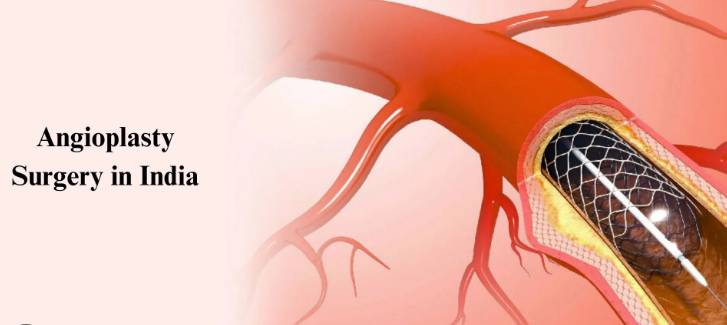
Why is the craze of angioplasty increasing in India
India performs around 4.5 lakh angioplasty procedures every year, and this number is rising quickly. The main reasons are a sharp increase in heart diseases, changing lifestyles, and major advancements in medical technology. India carries a huge burden of metabolic disorders that directly speed up artery blockages:
The Diabetes Capital: Diabetes is one of the biggest risk factors for plaque build-up. Over the years, the share of diabetic patients needing angioplasty has risen sharply and now accounts for 55% of all cases.
Sedentary Lifestyle and Stress: High work stress, lack of sleep, heavy smoking, diets rich in trans fats, and little to no exercise have together created a perfect storm for early atherosclerosis, or clogged arteries.
Why Is Angioplasty Performed?
Angioplasty may be recommended to:
- Restore blood flow during a heart attack.
- Reduce symptoms such as chest pain caused by inadequate blood supply to the heart.
- Treat certain significant coronary artery blockages.
- Reduce the risk of further damage to the heart muscle in appropriate emergency situations.
However, the benefits depend on the patient's condition and the reason for performing the procedure.
When Is Angioplasty Necessary?
Angioplasty can be a life-saving treatment, particularly during an acute heart attack.
| During a Heart Attack | A heart attack may occur when a blood clot suddenly blocks a coronary artery. This interrupts the supply of oxygen-rich blood to the heart muscle. In such situations, timely angioplasty can reopen the blocked artery, restore blood flow, and limit damage to the heart muscle. Delaying appropriate treatment can have serious consequences. |
| When Symptoms Persist Despite Medication | Some patients experience recurring chest pain or discomfort because the heart is not receiving enough blood during physical activity or stress. If symptoms continue despite appropriate medication and lifestyle changes, doctors may recommend angioplasty after evaluating the patient's condition. |
| In Certain High-Risk Coronary Artery Conditions | Patients with patterns of severe coronary artery disease may benefit from a procedure to restore blood flow. Depending on the location and extent of the disease, doctors may recommend angioplasty, bypass surgery, or medication. The most suitable option depends on the patient's overall health and the specific characteristics of the blockage. |
When Is Angioplasty Not Always Necessary?
A narrowed artery does not automatically mean that a patient needs a stent.
In people with stable coronary artery disease, particularly those whose symptoms are controlled with medication, routine angioplasty may not always provide additional protection against heart attacks or improve survival compared with appropriate medical treatment.
Doctors may recommend medication and lifestyle changes when:
- Symptoms are mild or well controlled.
- The blockage does not significantly restrict blood flow.
- The patient's overall risk assessment suggests that an invasive procedure is unlikely to offer additional benefit.
- Further testing is needed to determine whether the narrowing is affecting the heart muscle.
This does not mean that angioplasty is unnecessary for everyone with stable heart disease. Some patients can benefit from it, especially when symptoms remain troublesome or high-risk conditions are present. The key is to identify patients who genuinely need the procedure while avoiding unnecessary interventions.
Can Medicines Treat Blocked Heart Arteries?
Yes, medication can play a major role in managing coronary artery disease.
Depending on the patient's condition, doctors may prescribe medicines to control cholesterol, reduce blood pressure, prevent blood clots, or relieve chest pain. Statins, for example, help lower LDL cholesterol and reduce cardiovascular risk.
Lifestyle changes are equally important. These may include:
- Following a heart-healthy diet.
- Engaging in suitable physical activity as advised by a doctor.
- Avoiding tobacco.
- Managing blood pressure, cholesterol, and diabetes.
- Maintaining regular medical follow-ups.
For many patients with stable coronary artery disease, a combination of medicines and lifestyle changes can effectively manage the condition.
However, medication is not a substitute for emergency treatment when a heart attack or another high-risk condition requires urgent intervention.
What Is an Angiogram, and Who Needs One?
An angiogram is a diagnostic test that helps doctors examine the coronary arteries and identify narrowing or blockages.
Before recommending the test, doctors assess the patient's symptoms, medical history, and cardiovascular risk factors. These may include age, smoking, family history, diabetes, and other existing medical conditions.
Depending on the findings, doctors may recommend an ECG, blood tests, stress testing, coronary CT angiography, or an invasive coronary angiogram.
The decision depends on the patient's clinical condition and the likelihood of significant coronary artery disease.
Do All Patients with Chest Pain Need an Angiogram?
No. Chest pain can have several causes, and not every patient requires an invasive angiogram.
Doctors use clinical assessment and appropriate tests to decide whether further investigation is necessary. In some cases, additional testing may be unnecessary when the likelihood of significant coronary artery disease is very low.
For patients with an intermediate likelihood of disease, additional testing may help determine whether a blockage is affecting blood flow and whether an intervention is likely to help.
Importantly, patients with suspected acute heart attacks require urgent assessment and should not delay emergency care while waiting for routine tests.
Why Is Functional Testing Important Before Stenting?
A blockage seen in an imaging test does not always tell doctors how much it is affecting blood flow.
In selected patients, especially those with intermediate or borderline blockages, doctors may use functional assessment to determine whether the narrowing is restricting the supply of blood to the heart muscle.
Tests such as fractional flow reserve (FFR) or instantaneous wave-free ratio (iFR) can help assess the significance of certain coronary artery narrowing.
This information can help doctors decide whether a stent is likely to provide meaningful benefits or whether medication may be a reasonable option.
The Risks of Unnecessary Angioplasty and Stenting
Like every medical procedure, angioplasty carries potential risks. These may include bleeding, damage to blood vessels, contrast-related complications, kidney problems in susceptible patients, and, rarely, serious cardiovascular complications.
Stents also require appropriate follow-up and medication, including antiplatelet therapy when prescribed. Stopping these medicines without medical advice can be dangerous.
Unnecessary procedures can expose patients to avoidable risks, costs, and anxiety without providing sufficient additional benefit.
At the same time, fear of unnecessary stenting should not lead patients to refuse a procedure when it is medically necessary. Delayed angioplasty during an acute heart attack can be life-threatening.
Why Are Doctors Concerned About Overuse of Heart Stents?
The growing debate around unnecessary angioplasty reflects the importance of ensuring that medical procedures are recommended for the right reasons.
Experts have raised concerns that patients may sometimes undergo invasive procedures even when their symptoms, test results, and clinical condition do not clearly justify them.
Insurance coverage, differences in clinical judgement, and the difficulty of interpreting cardiac investigations may contribute to concerns about overuse. However, the circumstances vary from patient to patient, and an individual procedure cannot be judged unnecessary simply because the patient has stable disease.
Equally, patients should not assume that every recommendation for angioplasty is inappropriate. A second opinion can be helpful when the situation is stable and there is time to review the evidence.
Conclusion:
Angioplasty and stenting are important advances in modern cardiology, and they can save lives when used appropriately. However, not every narrowed coronary artery requires a stent. The best approach is evidence-based, patient-specific treatment, using angioplasty when its expected benefits justify the risks and avoiding unnecessary procedures when effective alternatives are available.