
EDU TERIA Logo
CartSign InSign UpEnroll Now

Elucidate 'constitutionalism' and 'constitutional morality'.

BPSC Mains answer writing · · 8marks · model answer in Hindi & English

हिंदी माध्यम

प्रश्न

‘संविधानवाद’ और ‘संवैधानिक नैतिकता’ की व्याख्या कीजिए।


आदर्श उत्तर

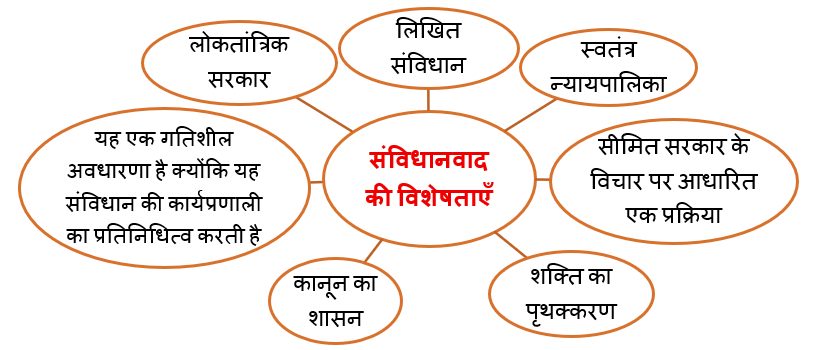
संविधानवाद और संवैधानिक नैतिकता आधुनिक लोकतांत्रिक शासन व्यवस्था के दो स्तंभ हैं। जहाँ संविधानवाद इस विचार का प्रतीक है कि सरकार की शक्ति सीमित, जवाबदेह और संविधान के ढाँचे के भीतर ही होनी चाहिए, वहीं संवैधानिक नैतिकता उस नैतिक मर्यादा का प्रतिनिधित्व करती है, जो संस्थाओं और नागरिकों को संविधान के मूल्यों, भावनाओं और उच्चतर उद्देश्यों को बनाए रखने के लिए मार्गदर्शन करती है।

सर्वोच्‍च न्‍यायालय ने मनोज नारुला बनाम भारत संघ (2014) मामले में कहा है कि "संवैधानिक नैतिकता का अर्थ है संविधान के नियमों को पालन करना और ऐसे व्यवहार से बचना जो कानून के नियमों का उल्लंघन करे।" वहीं, नवतेज सिंह जौहर बनाम भारत संघ (2018) मामले में सर्वोच्च न्यायालय ने इसी सिद्घांत का हवाला देते हुए तथा भारतीय दंड संहिता की धारा 377 की व्याख्या करते हुए सहमति आधारित समलैंगिक संबंधों को अपराध की श्रेणी से बाहर कर दिया। न्यायालय ने स्पष्ट किया कि संवैधानिक नैतिकता सामाजिक पूर्वाग्रहों से ऊपर होनी चाहिए।
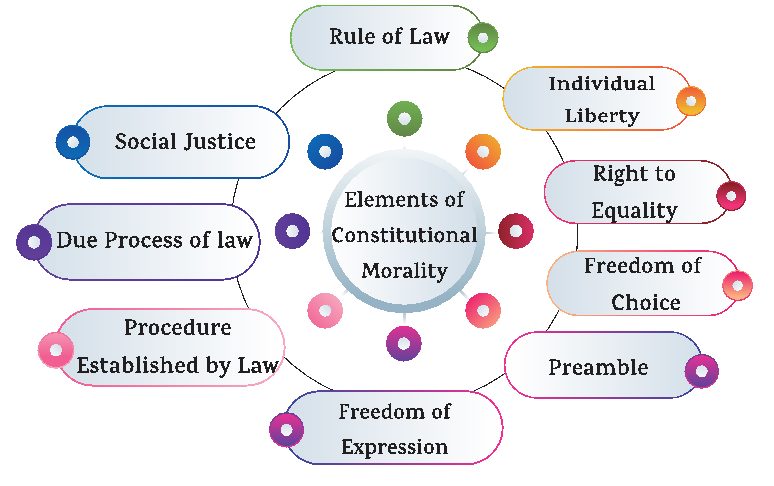
डॉ. बी.आर. अम्बेडकर के अनुसार, संवैधानिक नैतिकता का अर्थ होगा विभिन्न लोगों के परस्पर विरोधी हितों के बीच प्रभावी समन्वय तथा किसी भी कीमत पर अपने लक्ष्यों की प्राप्ति के लिए काम करने वाले विभिन्न समूहों के बीच बिना किसी टकराव के उन्हें सौहार्दपूर्ण ढंग से हल करने के लिए प्रशासनिक सहयोग।

संविधानवाद और संवैधानिक नैतिकता मिलकर एक लोकतांत्रिक राज्य की नैतिक और संरचनात्मक रीढ़ बनते हैं। भारत जैसे विविधतापूर्ण लोकतंत्र में दोनों का सामंजस्यपूर्ण व्यवहार न केवल अधिकारों की रक्षा के लिए बल्कि संवैधानिक संस्कृति के पोषण के लिए भी आवश्यक है। अंततः एक संविधान तभी स्थायी रह सकता है, जब संविधानवाद के माध्यम से उसका सम्मान किया जाए और संवैधानिक नैतिकता के माध्यम से उसकी आत्मा को अक्षुण्ण रखा जाए।

English Medium

Question

Elucidate 'constitutionalism' and 'constitutional morality'.


Model answer

Constitutionalism and constitutional morality form the twin pillars of a modern democratic polity. While constitutionalism embodies the idea that governmental power must be limited, accountable, and exercised within the framework of the Constitution, constitutional morality represents the ethical compass that guides institutions and citizens to uphold the values, spirit, and higher purpose of the Constitution.

The Supreme Court stated in Manoj Narula v. Union of India (2014) that "Constitutional Morality means adhering to the precepts of the Constitution and refraining from conduct that violates the precepts of law.” In Navtej Singh Johar v. Union of India (2018), the Supreme Court cited this principle in interpreting Section 377 of the Indian Penal Code to decriminalize consensual homosexual relations. The Court clarified that constitutional morality must transcend social prejudices.

According to Dr. B.R. Ambedkar, Constitutional morality would mean effective coordination between conflicting interests of different people and the administrative cooperation to resolve them amicably without any confrontation amongst the various groups working for the realization of their ends at any cost.

Constitutionalism and constitutional morality together form the ethical and structural backbone of a democratic state. In a diverse democracy like India, the harmonious practice of both is essential not only for protecting rights but also for nurturing constitutional culture. Ultimately, a Constitution can endure only when its text is respected through constitutionalism and its soul is upheld through constitutional morality.

Practise it yourself. Get your copy evaluated, free.

New question every day at 10:00 PM IST · हर रात 10 बजे नया प्रश्न

Join PARAKH free