EDU TERIA Logo
CartSign InSign UpEnroll Now
Back Modern Indian History
BPSC Mains GS-1 Masterclass · Modern Indian History

Partition of Bengal & the Making of Modern BiharSwadeshi, Swaraj and a New Province

Curzon's partition of Bengal in 1905 was meant to weaken Indian nationalism; it set off the Swadeshi movement instead. The same churning helped Bihar's educated leaders win their own province in 1912. This page follows both stories and traces Bihar's boundaries to the present day.

Partition1905Partition of Bengal

78 million people divided.

Swadeshi4Swadeshi trends

moderate, constructive, extremist, revolutionary.

Annulment1911Bengal reunited

partition withdrawn.

Bihar1 April 1912Bihar a separate province

with Orissa; capital Patna.

Orissa1936Orissa separated

from Bihar.

Today15 Nov 2000Jharkhand formed

Bihar's present boundary.

Part 1 · The partition of Bengal, 1905

Why Bengal Was Partitioned

Officially an administrative measure for an unwieldy province; in reality a plan to weaken Bengal, the nerve centre of Indian nationalism.

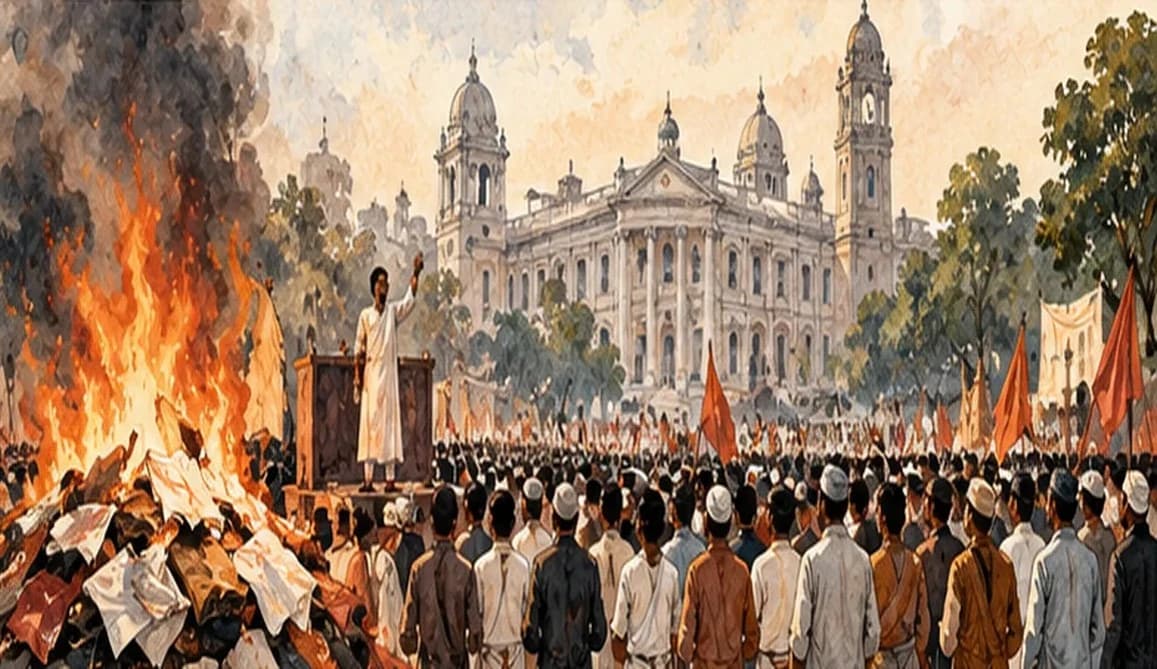
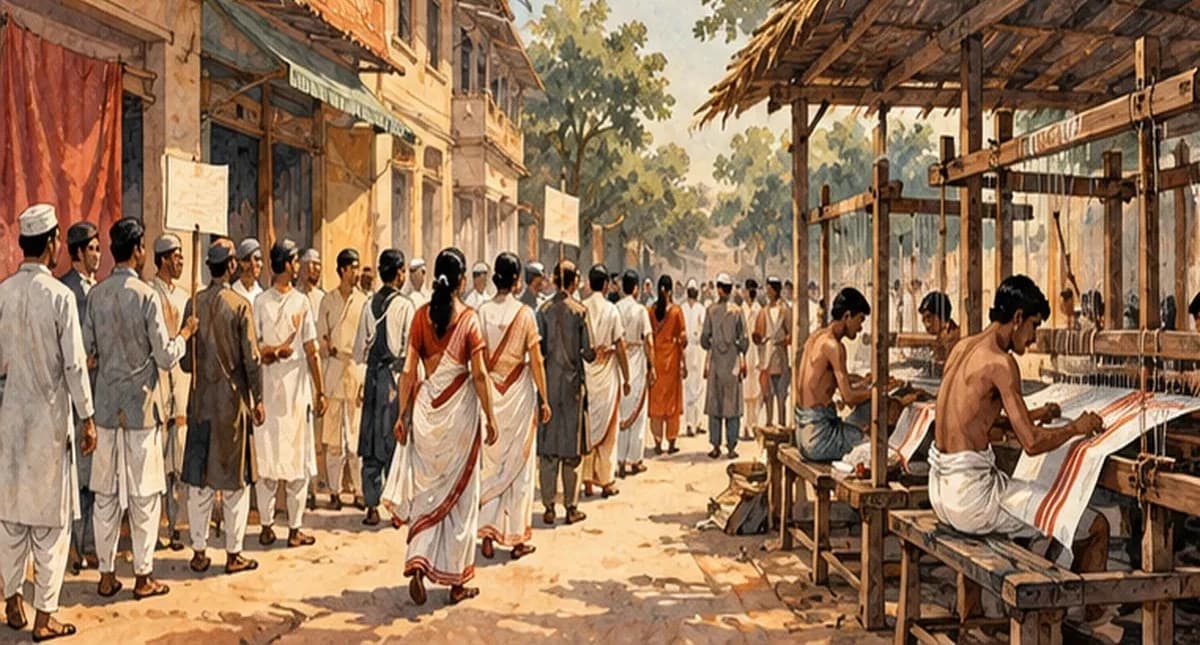
Illustration of a 1905 protest meeting in Calcutta, a crowd gathered before a speaker with a bonfire of foreign cloth in the foreground

The plan

The partition of Bengal occurred in 1905. The proposed Partition plan was to include the modern States of West Bengal, Bihar, Jharkhand and Orissa as one province called “Bengal” and Bangladesh, Assam and the North-Eastern States as another province called “East Bengal and Assam”.

Official reason and real motive

The official argument behind the partition was that managing such a huge territory and large population of 78 million posed administrative difficulties. However, historians suggest that the real motive behind the partition plan was the British desire to weaken Bengal, the nerve centre of Indian nationalism.

It was to be achieved by putting the Bengalis under two administrations by dividing them on the basis of language, thus reducing the Bengalis to a minority in Bengal itself, and on the basis of religion, as the western half was to be a Hindu majority area and the eastern half was to be a Muslim majority area.

The response

The Indian nationalists clearly saw the design behind the partition and condemned it unanimously. And the anti-partition and Swadeshi Movement had begun.

“It was in 1905, then, the Indian revolution began.”
— Will Durant

Curated for BPSC, UPSC & State PCS Civil Services Aspirants | Modern Indian History Master Module