



Leaders and masses
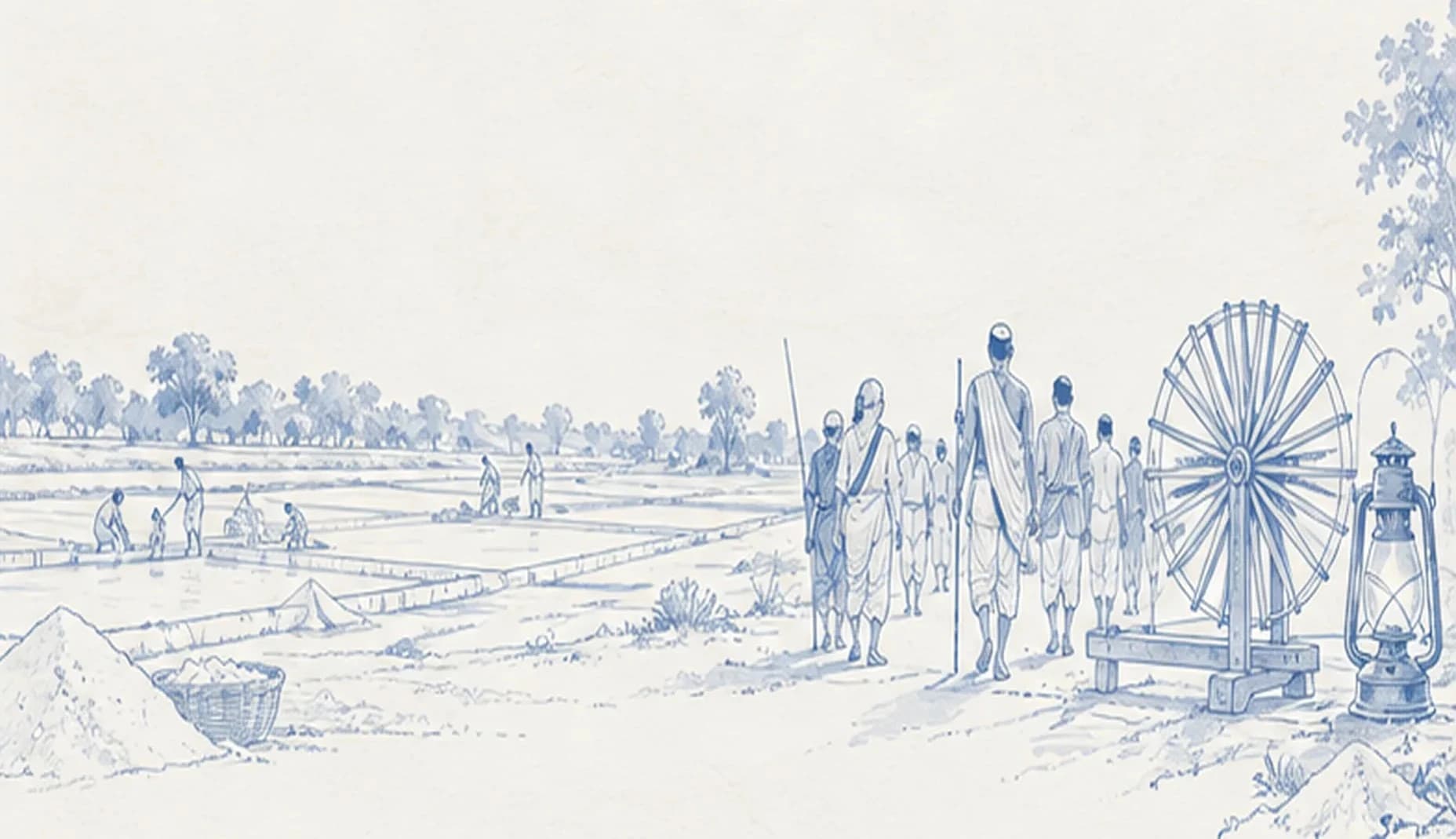
- The first districts in Bihar were Saran and Champaran which launched Salt Satyagraha under Bepin Behari Varma, the president, Champaran District Congress Committee, with the support of 3,400 volunteers.
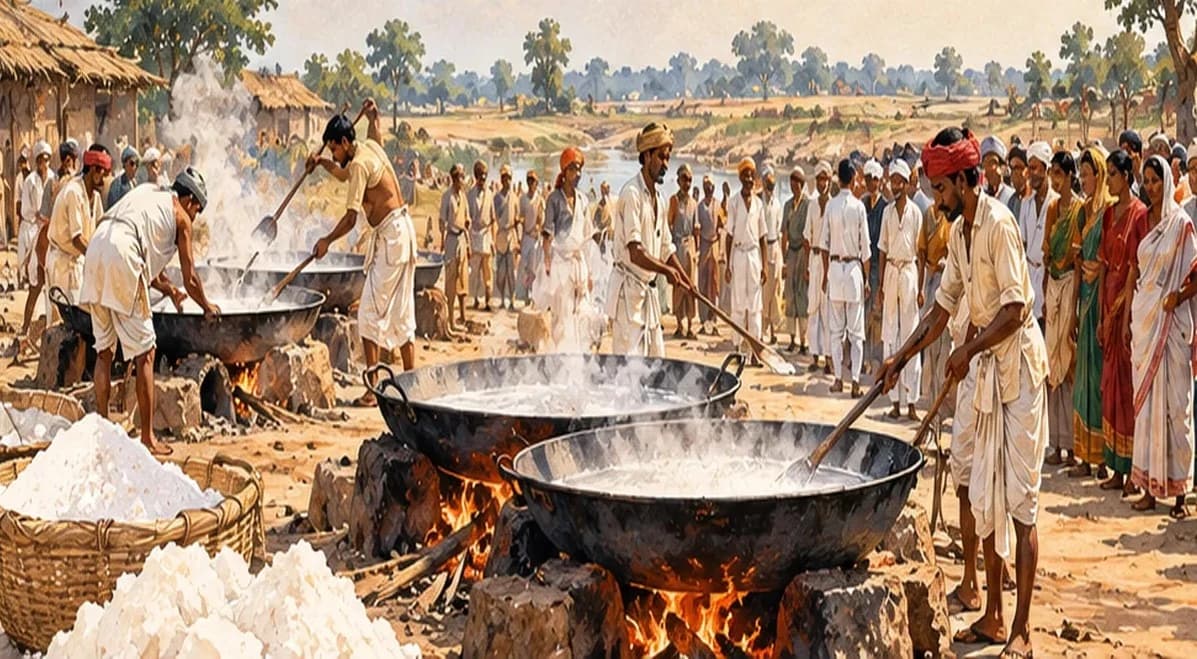
- Salt Law was broken in several thanas of the Champaran district on April 15, 1930. In this connection many leaders had been arrested, while attempting to manufacture salt at different centres, and were sentenced with imprisonment for a period of six months.
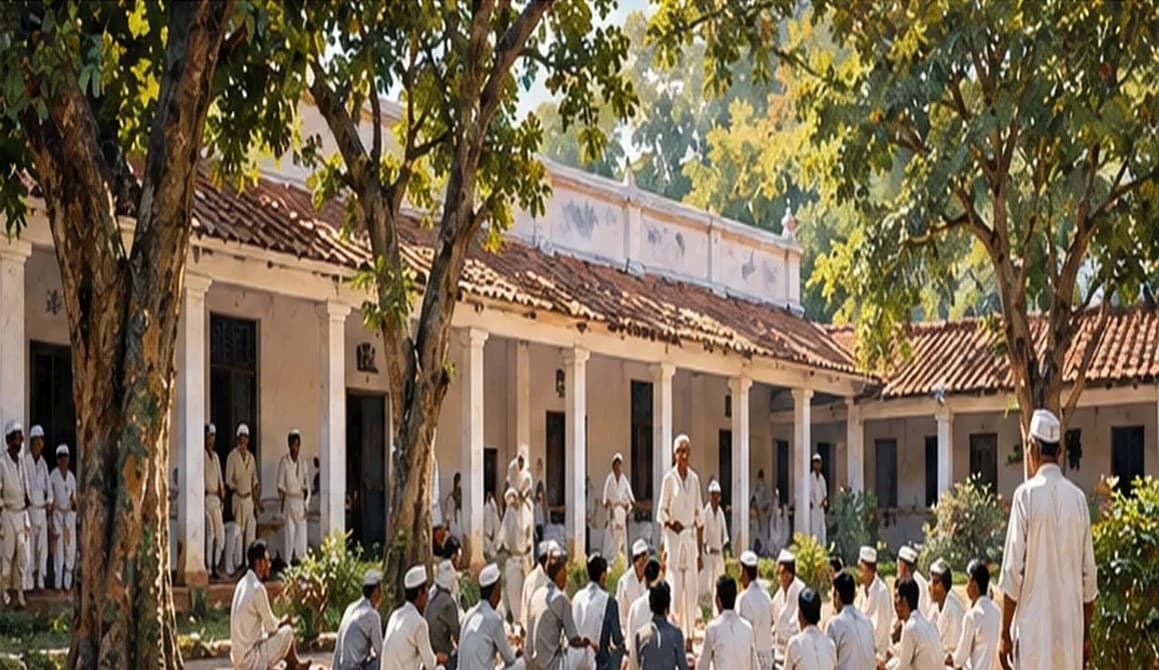
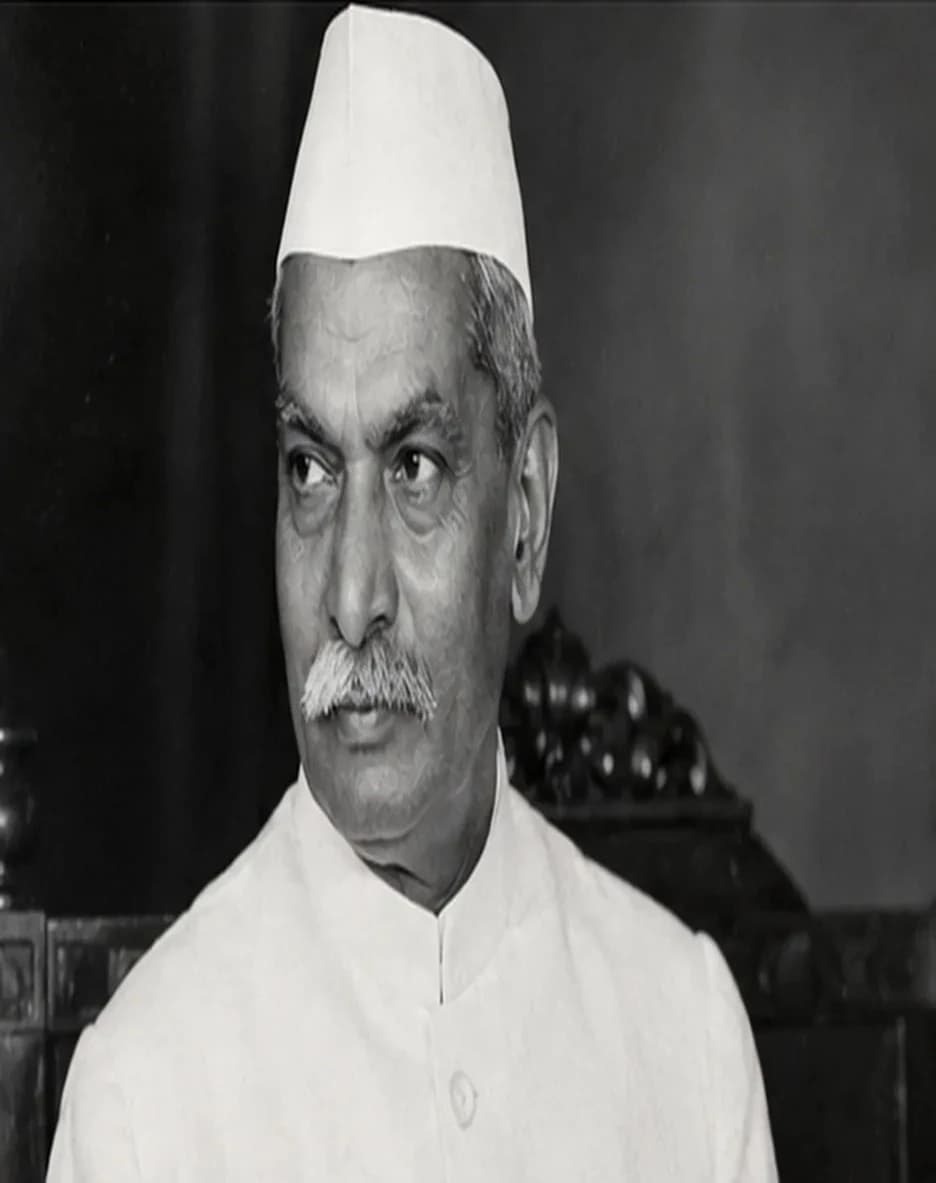
- Babu Rajendra Prasad and Prof. Kripalani rushed to Motihari to see the development in manufacturing Salt at Piprahia and Phulwaria, where a meeting was held which was presided over by Rajendra Prasad and Kripalani, attended by more than 1000 people.
- Leaders like Rajendra Prasad and Abdul Bari were injured by the lathi charge by the police.
- Other leaders like Ram Dayalu Singh and Thakur Ram Nandan Singh from Muzaffarpur, Bharat Mishra and Chandrika Singh of Saran, Ram Nandan Mishra and Satya Narayan Sinha from Darbhanga, Srikrishna Sinha and Nand Kumar Sinha from Munger, Abdul Bari and Anugraha Narayan Sinha in Patna led the masses in their respective areas and were arrested. Overall, no area in Bihar remained untouched by the movement.
- In Bettiah and Motihari people observed hartal in protest against the arrest of main leaders in this district.
- Despite Police repression, Salt began to be prepared on mass scale in many villages. The movement was largely based on the principle of non-violent struggle.
- People also organised the social boycott of police officers and chaukidars.
- The Swadeshi League was formed at Patna with Ali Imam as the President, Sachidanand Sinha and others to promote the use of indigenous cloths.

Part 3 · The role of different social classes of Bihar
How Each Class of Bihar Took Part
Writers, peasants, women, students, traders, workers, Muslims and even government servants: the Civil Disobedience movement reached every section of Bihar.
Thus, Bihar had already exhibited uncommon experience of moral force and courage which were beyond the expectation of the leaders. During CDM, Bihar was on the peak of national movement and had created a place in the history. Almost all the social classes, without the fear of the foe, had actively involved their volunteers in the civil disobedience. The participation continued even in the 2nd phase of the CDM.
Finally, in April 1934, Gandhi decided to withdraw the civil disobedience movement. The heavy repression by the government also contributed to the decline of the movement. However, the political awareness had reached a new height and freedom was in the heart of the people.