


Four phases of population growth
- 1921 is known as the year of Great Divide, which differentiated the earlier period of fluctuating growth rates from a period of moderately increasing growth rates.
- Fluctuating trend of population was due to famine, disease etc.
- During 1911-21 India's population recorded a virtual shrink in its size in the wake of influenza epidemic, which had struck in 1919. It has been estimated that the epidemic claimed the life of nearly 7% of the population in the country.
- The second point of division was 1951, which differentiated the period of earlier moderate growth from a period of rapid growth in the post-independence period.
- The growth rate remained otherwise virtually stable during 1931-51. Over a period of thirty years, i.e., 1921-51 population grew at moderately increasing rate.
- Strikingly, the central zone recorded a consistently lower growth rate than the nation's average perhaps because of a persistently higher incidence of mortality and substantial out-migration.
- On the other hand, the western zone experienced a much faster growth in its population, as it was the period of initial industrial growth in the western zone.
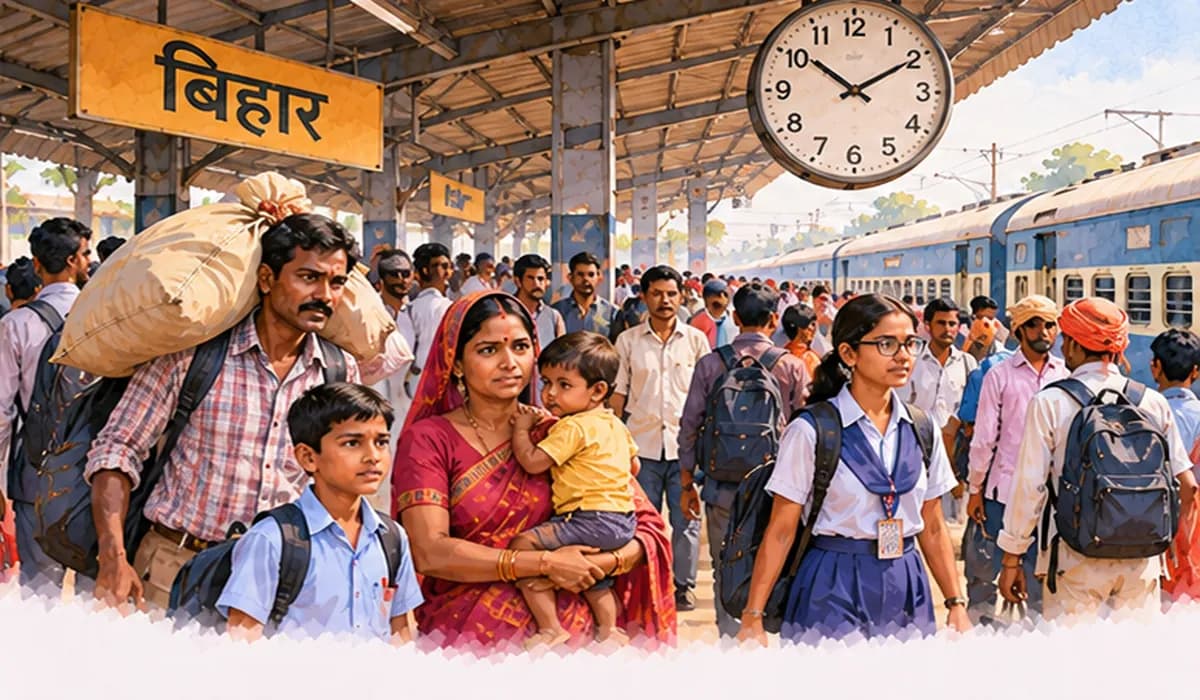
- The states like Bihar, Haryana, Himachal Pradesh, Madhya Pradesh, Punjab, Tamil Nadu and Uttar Pradesh recorded a consistently lower growth. Some of these states (like Bihar, U.P. etc) lost their substantial population through the process of out-migration.
- This phase of rapid growth in population continued up to 1981. Thereafter, though population continues to grow, the rate of growth shows a definite deceleration.
