

EDU TERIA Logo
CartSign InSign UpEnroll Now
BPSC Mains GS-2 Masterclass · Indian Polity

Guardians of the ConstitutionJudicial Review, Basic Structure & Judicial Activism

How a written constitution becomes limited government, how courts test laws against it, why some features of the Constitution are beyond amendment, and when an active judiciary helps or oversteps.

Review PowerArticle 13Null & Void

Laws that violate Fundamental Rights are void.

Landmark1973Kesavananda Bharati

Basic structure doctrine first laid down.

UntouchableBasic FeatureJudicial Review

Cannot be removed even by a constitutional amendment.

Origin1947Term Coined

‘Judicial activism’ originated in the USA.

PIL EraMid-1970sActivism in India

Iyer, Bhagwati, Chinnappa Reddy and Desai.

Tests3 GroundsScope of Review

Rights, competence and constitutional conflict.

Document vs principle

Constitution vs Constitutionalism

The concepts of constitution and constitutionalism both refer to the legal framework of a country, but they are not the same thing. One is a document; the other is a way of governing.

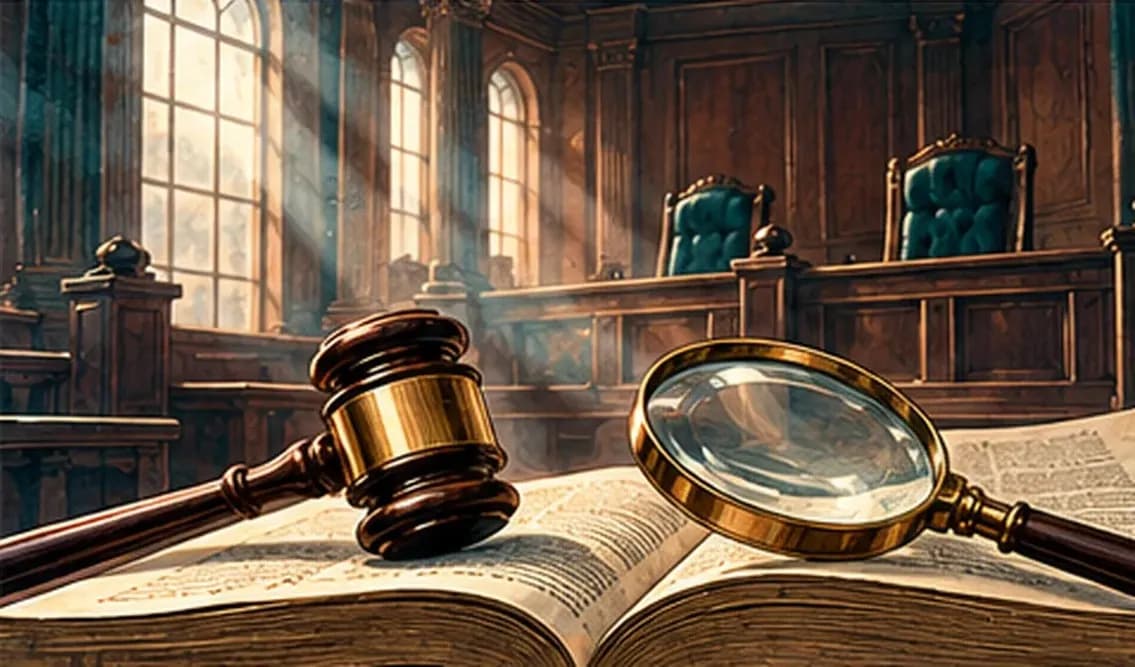
A bound constitution book on one side and a balance scale with a chain of limits on the other
The document

Constitution

The constitution is defined as the “supreme law of a country”. It lays down the basic structure of the political system under which the people are to be governed.

  • It establishes the main organs of the State — the legislature, the executive and the judiciary.
  • It defines their powers, demarcates their responsibilities, and regulates their relationships with each other and with the people.
  • It outlines the ground rules under which certain powers are transferred to different organs of the State and are to be exercised by them.
The principle

Constitutionalism

Constitutionalism is a system of governance in which the power of the government is limited by the rule of law, as opposed to arbitrary, authoritarian or totalitarian rule.

  • It recognises the need to limit the concentration of power in order to protect the rights of groups and individuals.
  • The government’s power can be limited by the constitution and the provisions and regulations in it — but also by other measures and norms.

How they differ

1

Document vs principle

The constitution is generally a written document. Constitutionalism is a principle and a system of governance that respects the rule of law and limits the power of the government.

2

Practice can beat the text — or fail it

There can be a constitutional form of governance that respects citizens’ rights and promotes democratic values even when the national constitution is outdated. At the same time, an inefficient democratic government may fail to rule in a constitutional way despite having a constitution.

3

One can exist without the other

A country may have a constitution but not constitutionalism. And there are instances where there is no written constitution but constitutionalism prevails.

Example: Britain has no single written constitution, yet its government is limited by the rule of law, conventions and courts — constitutionalism without a written text.

Where they meet

1

Both refer to the limits and features of a country’s system of governance. Constitutionalism would not exist without a constitution, and governing in a constitutional way requires limits and boundaries on the central authority.

2

Both influence the actions of the government as well as the population.

  • Besides providing a framework for the political and institutional structure, the constitution sets out the main rules that all citizens should respect.
  • Ruling in a constitutional manner means the government applies the rules in the constitution to limit and manage citizens’ actions — always respecting individual and collective rights.
3

Both protect and preserve individual and collective rights, preventing abuse of power.

4

Both have evolved and changed significantly over the last few centuries, and are closely linked with the progress and spread of democracy.

“If you make anything rigid and permanent you stop a nation’s growth, the growth of a living, vital, organic people.”
— Jawaharlal Nehru

Curated for BPSC, UPSC & State PCS Civil Services Aspirants | Indian Polity Master Module