

EDU TERIA Logo
CartSign InSign UpEnroll Now
BPSC Mains GS-2 Masterclass · Indian Polity

Directive Principles of State PolicyNot Pious Declarations, but Directions for the State

What Part IV of the Constitution asks of the State, why courts cannot enforce it, how it has wrestled with the Fundamental Rights, and how far its ideals have reached the people of India and Bihar.

LocationArt 36–51Part IV

Where the Directive Principles live.

SourceIrelandBorrowed From

The idea came from the Irish Constitution.

NatureArt 37Fundamental, Not Enforceable

No court can enforce them; the State must apply them.

Content3 TypesClassification

Socialistic, Gandhian and liberal–intellectual.

Balance1980Minerva Mills

FRs and DPSPs: two wheels of a chariot.

ImplementationBiharIn Practice

Land reform to Har Ghar Nal Ka Jal.

Part IV · Articles 36–51

What Are the Directive Principles?

The Directive Principles of State Policy (DPSPs) are listed in Part IV of the Constitution, from Article 36 to Article 51. The framers borrowed the idea from the Irish Constitution.

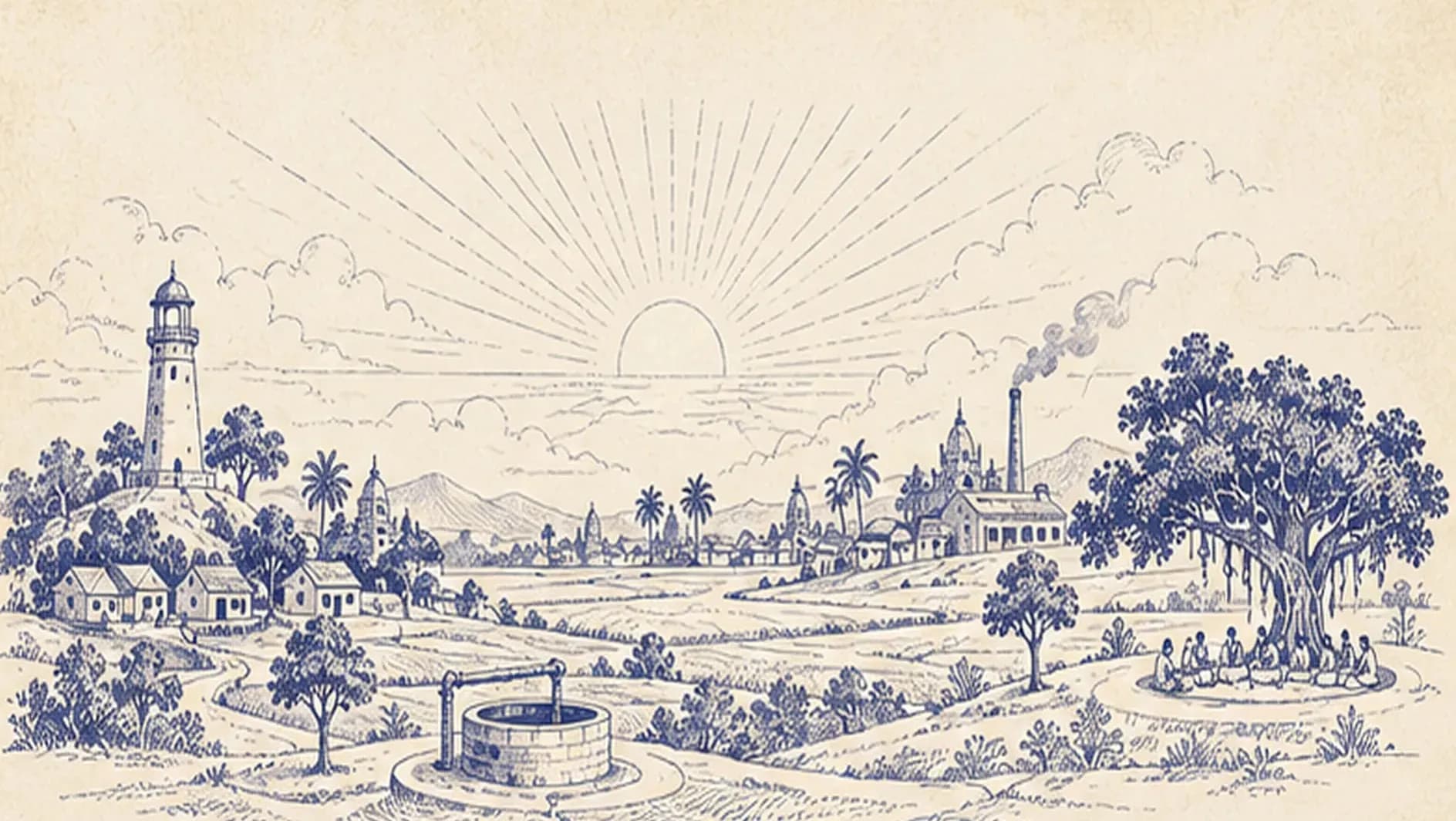
A lighthouse on a rocky shore casting a warm beam that guides a ship across the water at dusk
Article 37 · the heart of Part IV
The Directive Principles “shall not be enforceable by any court, but the principles therein laid down are nevertheless fundamental in the governance of the country and it shall be the duty of the state to apply these principles in making laws.”

So the DPSPs are not mere pious declarations, but clear directions for the guidance of State policy.

“Novel features” of the Constitution

Dr. B.R. Ambedkar described these principles as ‘novel features’ of the Indian Constitution.

The soul of the Constitution

Together with the Fundamental Rights, the DPSPs contain the philosophy of the Constitution — they are its soul.

Features of the Directive Principles

Ideals for policy-making

They state the ideals the State should keep in mind while making policies and laws.

  • Here ‘State’ includes the legislative and executive organs of the Central and state governments, all local authorities, and all other public authorities in the country.
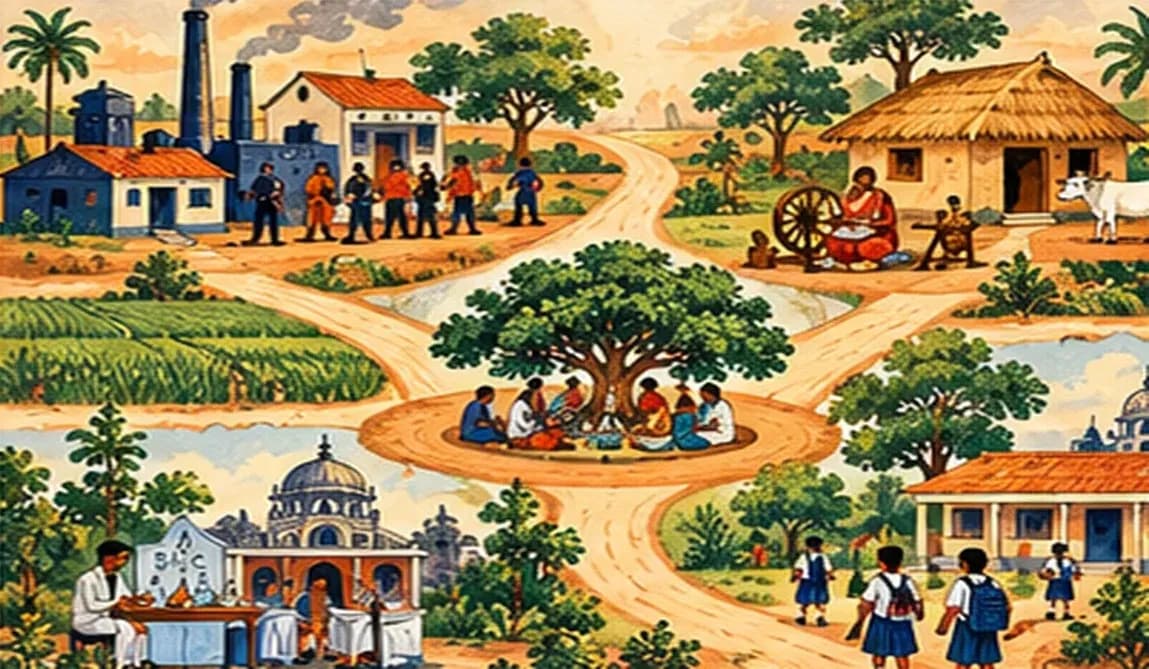

Like an ‘Instrument of Instructions’

They resemble the ‘Instrument of Instructions’ listed in the Government of India Act, 1935.

Example: Under the 1935 Act, the British Crown issued such instructions to the Governor-General and Governors; the DPSPs are similar instructions — but to the government of free India.

A complete programme

They form a very comprehensive economic, social and political programme for a modern democratic State.

Realising the Preamble

They aim to realise the high ideals of justice, liberty, equality and fraternity outlined in the Preamble.

A welfare State

They embody the idea of a ‘welfare state’ and seek to establish economic and social democracy in the country.

Non-justiciable

They are not legally enforceable by the courts if violated.

A guide for the courts

They help courts examine and decide the constitutional validity of a law.

  • A court may treat a law as ‘reasonable’ under Article 14 (equality before law) or Article 19 (six freedoms) because it gives effect to a Directive — and so save it from being unconstitutional.
“A government which rests on popular vote can hardly ignore the Directive Principles while shaping its policy.”
— Dr. B.R. Ambedkar, Constituent Assembly

Curated for BPSC, UPSC & State PCS Civil Services Aspirants | Indian Polity Master Module