
EDU TERIA Logo
CartSign InSign UpEnroll Now
Back Modern Indian History
BPSC Mains GS-1 Masterclass · Modern Indian History

Census, Caste & the Dalit MovementHow Counting People Changed Who They Were

The census of 1881 sorted Indians by caste and religion, and in doing so helped turn both into fixed, competing identities. Out of that colonial order came caste associations, protective discrimination and, in Bihar, a Dalit movement that began late and still depends on mainstream parties.

Census1881First synchronous census

the whole country at once.

Castes207Other castes

above the 1 lakh threshold.

Leaders1935Depressed Class League

formed by Jagjivan Ram.

Gandhi1934Harijan Yatra

Gandhi toured Bihar.

Policy2007Mahadalit Commission

21 of 22 castes identified.

Share~16%Dalits in Bihar

of the state's population.

Part 1 · Impact of the census of 1881 on caste identities

Counting Castes, Fixing Hierarchies

The 1881 census classified castes by varna, gave the caste system official legitimacy and set sub-castes competing for higher status.

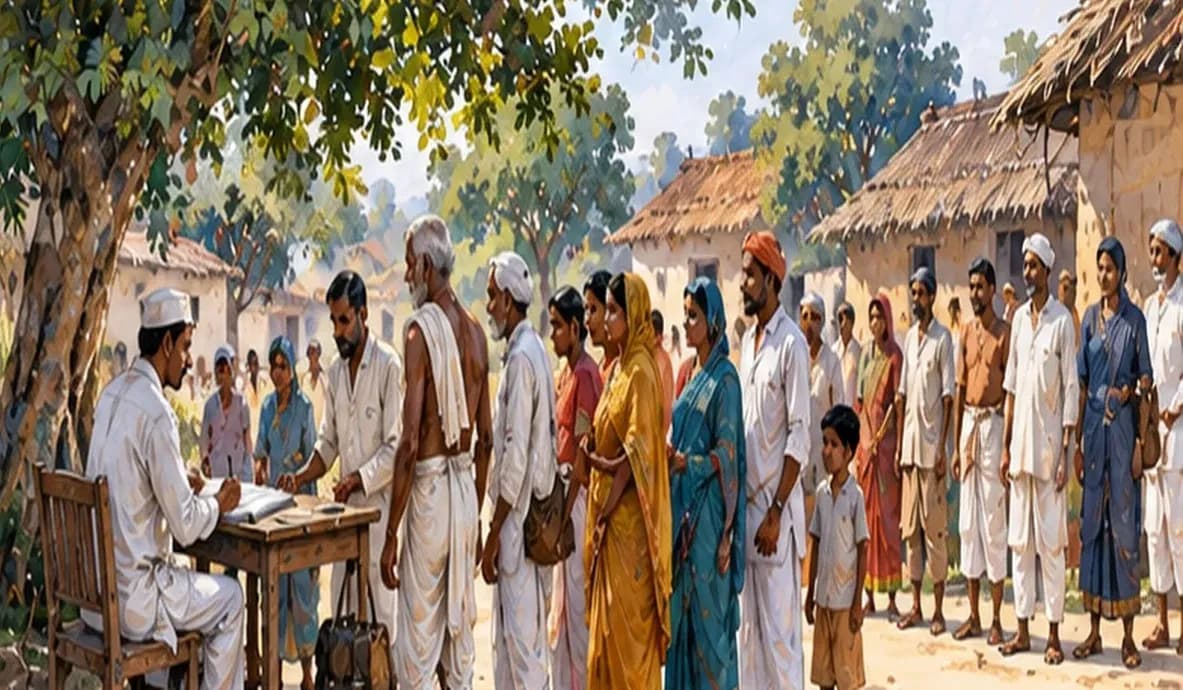
Illustration of a 19th-century census enumerator with a ledger seated under a village tree, villagers queuing to be counted

A unique project

The Census of 1881 was a great step towards a modern synchronous census. For the first time, the Census was conducted across the entire country, simultaneously.

The census – because of its methodology and agenda – was a unique project and had long lasting impact on the caste and religious identities.

How castes were classified

  • In the census of 1881, enumerators were asked to classify only caste groups whose size was more than one lakh. The total population was sub-divided into Brahman, Rajputs and other castes. The number of other castes, who crossed the requisite number of 100,000, was 207.
  • The primary principle of classification used was that of varna. The minute and endless ramification of castes was classified according to the fourfold varna-system.
    • In this mode of classification, Brahmans held the first rank. Majority of Hindus were indiscriminately thrown together into the category of Sudra or servile classes.
    • In actual practice, the varna or ritual markers were used to differentiate and order the higher castes, and occupational markers to classify the lower caste groups.
  • The census based classification of castes provided official legitimacy to caste system.
    • Later in 1901, it was proposed not only to enumerate all castes, but also to determine and record their location in the hierarchy of castes.
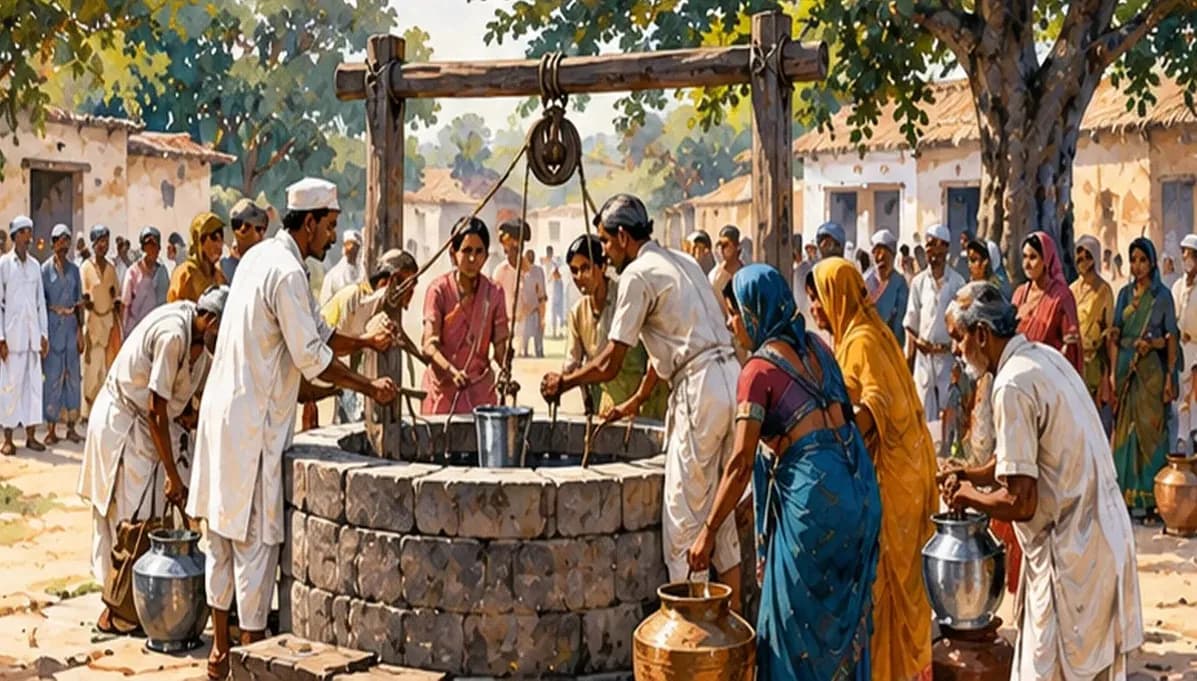
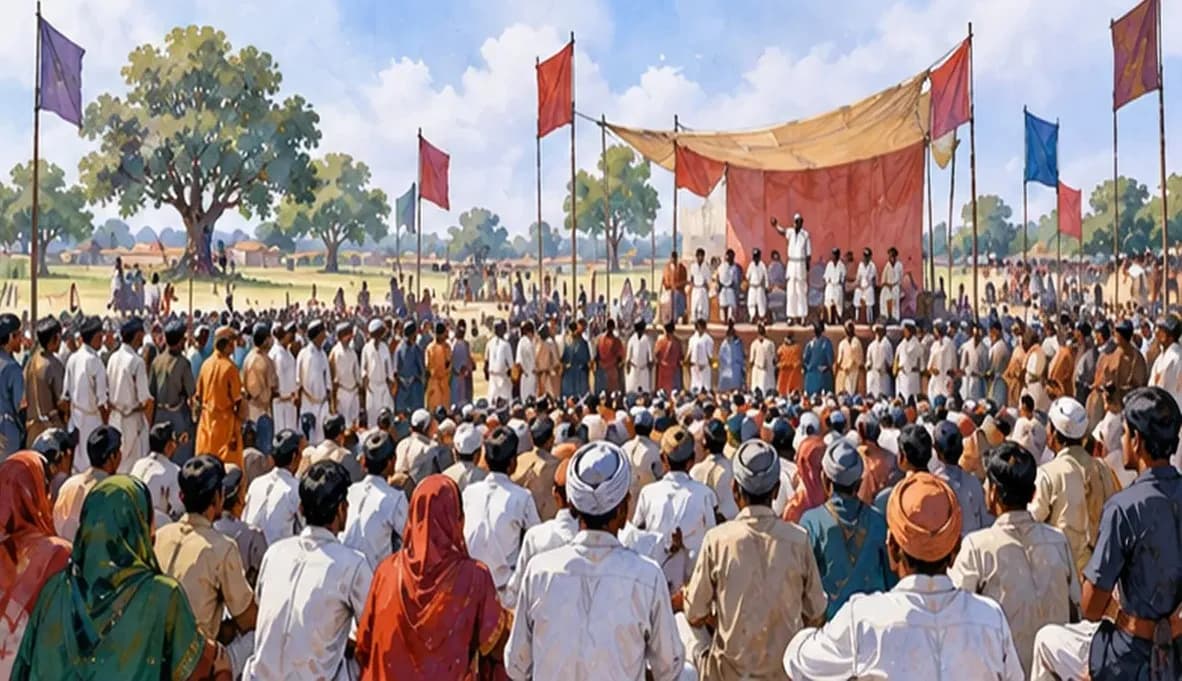
Competition among sub-castes to claim a high varna-status

  • To the Indian public this appeared to be an official attempt to freeze the hierarchy, which had been constantly, though imperceptibly, changing over time. This redefined caste now became the “Indian colonial form of civil society”.
  • Voluntary caste associations emerged as a new phenomenon in Indian public life, engaging in census based caste movements, making petitions to census commissioners in support of their claims for higher ritual ranks in the official classification scheme.
  • This expanded the axis of ‘horizontal solidarities’ through a number of caste-associations that fostered supra-local identities especially in towns where it was difficult to observe ritualistic prescriptions.
  • The Caste thus became a legitimate site for defining social identities within a more institutionalised and apparently secularised public space.

Merging names, multiplying castes

  • Although enumerators were enjoined to find where different caste titles or names could be merged into single groups, they, in fact, found a huge proliferation of actual caste groups.
    • For example in Bihar, castes such as Yadav and Vishwakarma appeared out of nowhere, being created as official categories for what had previously been geographically disparate, differently named communities that happened to share traditional occupations, respectively as dairymen/grazers and craft artisans such as goldsmiths and carpenters.
Census created caste: Cohn and Dirks

Some modern academics, such as Cohn and Dirks have argued that, Census effectively created the caste system as it exists today.

A significant role only: Dipankar Gupta

Others, such as Dipankar Gupta, reject this idea, which Gupta says implies that Indians had “no identity worth the name” prior to the colonial period, but acknowledge that the Raj had a significant role in how caste is now practised.

“The caste and religious identities as we know today are largely the outcome of census exercises starting from 1881.”
— BPSC Mains answer · Census of 1881

Curated for BPSC, UPSC & State PCS Civil Services Aspirants | Modern Indian History Master Module