EDU TERIA Logo
CartSign InSign UpEnroll Now
BPSC Mains GS-2 Masterclass · Bihar Economy

Industrial Development in BiharResources, Planning & Industries

Fertile soil, a young workforce, rivers and minerals give Bihar enormous potential for industrialisation. Yet the industrial sector's share of the state's output is the lowest among major states. This page examines the resources, the planning machinery, and how far industry has come.

Land96%Alluvial soil

of Bihar's area has fertile alluvial soil.

People20 yrsMedian age

Bihar has the youngest population in India.

Minerals95%Pyrite resources

Bihar is the principal holder of India's pyrite.

Industry0.5%Of India's industrial GVA

Bihar's share of the country's industrial output.

Factories40Workers per factory

Almost half the all-India average of 76.7.

Dairy10 MTMilk (2018–19)

Up from 2.7 million tonnes in 2001–02.

Part 1 · The idea of resource potential

What Is Resource Potential?

Before we look at industries, we need to know what Bihar has to build them with, and what it takes to use it.

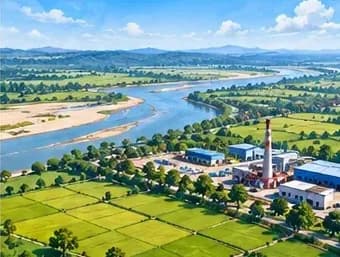
The Gangetic plain of Bihar with paddy fields, a river, a sugar mill and a small industrial shed

The resource potentials of Bihar

The resources that are available in a particular region and can be utilized in the future are known as resource potentials.

e.g. availability of mineral, water, solar energy, fertile land etc. To make the best use of these resources, advanced technology is required.

Why industry matters

Since the distant past, Bihar has been suffering from surplus population in an agrarian economy, and its people migrate to cities in the state and beyond.

Remittances help consumption but do not add to the state's production capacity. The most sustainable solution for this problem is rapid industrialisation.

What this page covers

Part 2–4: the resources (soil, crops, people, water, forests, minerals, finances).

Part 5: the planning machinery. Parts 6–8: the status of industry, the main industrial sectors, and the support the state gives.

Bihar's resources at a glance

Soil

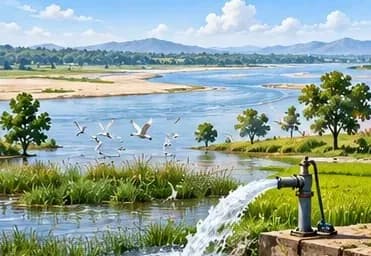
Fertile alluvial soil over 96% of the area; a suitable site for the 2nd green revolution.

People

About 12.4 crore people (2020); around 60% of working age; median age 20.

Water

Abundant surface and groundwater; 15 river basins; about 285 wetlands.

Forests

About 6,877 sq. km recorded forest, nearly 7.3% of the area; sal forests in the south.

Minerals

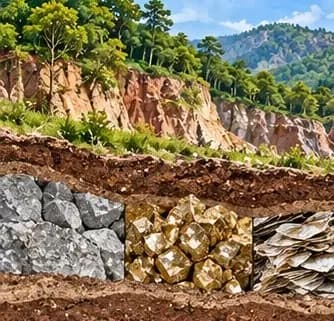
95% of India's pyrite; limestone, mica, quartz, bauxite, gold, uranium and more.

Finances

A revenue surplus state since 2004-05, but 70–80% of revenue receipts come from the Centre.

Example: Think of resource potential as savings in a locked bank account. The money (fertile land, rivers, minerals, young people) is there, but you need the key (technology, capital, roads, power) to spend it on factories and jobs.

“Bihar, a state with abundant physical and human resources, has enormous potential for industrialisation.”
— BPSC Mains answer, 1999

Curated for BPSC, UPSC & State PCS Civil Services Aspirants | Bihar Economy Master Module