India's First Indigenous H5N1 Bird Flu Vaccine for Chickens
Eduteria Insights · 18 Nov 2026
Why in News?
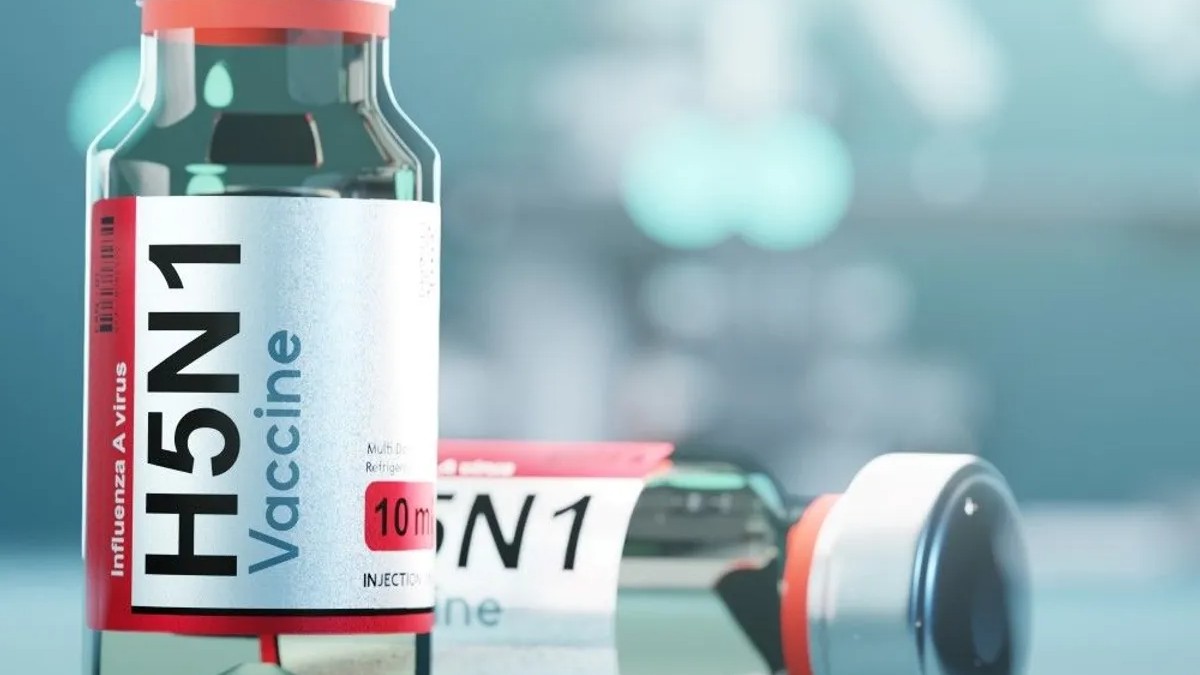
India is set to dedicate its first indigenous inactivated H5N1 (Clade 2.3.2.1a) vaccine for chickens to the nation on 20 November 2026. The vaccine has been developed by the ICAR-National Institute of High Security Animal Diseases (ICAR-NIHSAD), Bhopal.
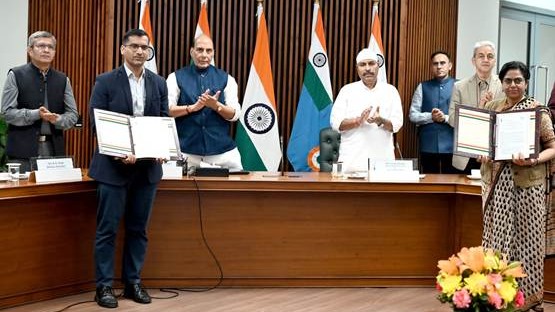
Union Agriculture and Farmers Welfare Minister Shri Shivraj Singh Chouhan will dedicate the vaccine at ICAR-NIHSAD, Bhopal.
What is H5N1 Bird Flu?
Highly Pathogenic Avian Influenza (HPAI), commonly known as bird flu, is a serious viral disease that affects poultry birds.
It can cause very high mortality among infected birds, resulting in significant financial losses for poultry farmers. Outbreaks also lead to restrictions on poultry trade and affect the livelihoods of farmers.
India first detected the disease in 2006. Since then, more than 500 combined outbreaks of H5N1 and H5N8 subtypes have been reported in the country.
Why is the Indigenous H5N1 Vaccine Important?
The H5N1 virus strain known as Clade 2.3.2.1a has been responsible for most bird flu outbreaks in chickens.
The development of an indigenous vaccine is important because no specific commercial vaccine was available against this particular strain.
The new vaccine aims to provide protection against Clade 2.3.2.1a H5N1 strains circulating in India.
It will help strengthen poultry disease control, reduce economic losses, and limit the spread of infection among animals.
- H5N1 Bird Flu Vaccine
- Indigenous Bird Flu Vaccine
- Avian Influenza
- Clade 2.3.2.1a
- ICAR-NIHSAD
- Poultry Disease
- Animal Health
- Bird Flu in India
- पशु स्वास्थ्य
- UPSC Current Affairs
- BPSC Current Affairs
Swipe up (or press ↓) for the next news