In-Orbit Computing
Eduteria Insights · 17 Nov 2026
Why in News?
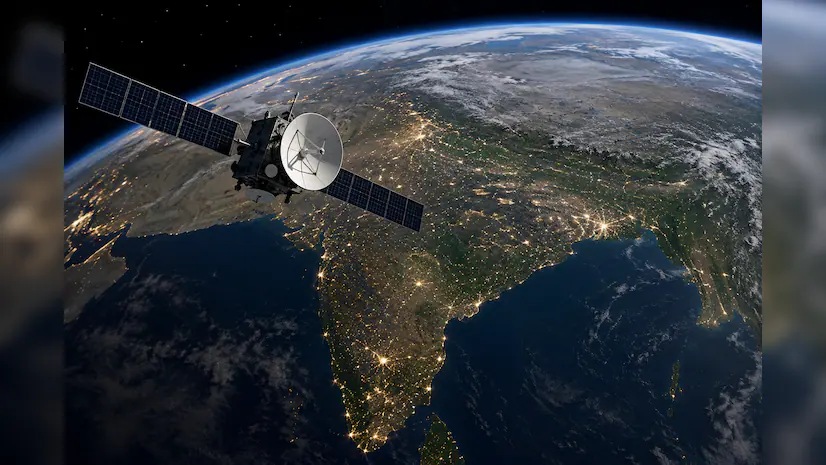
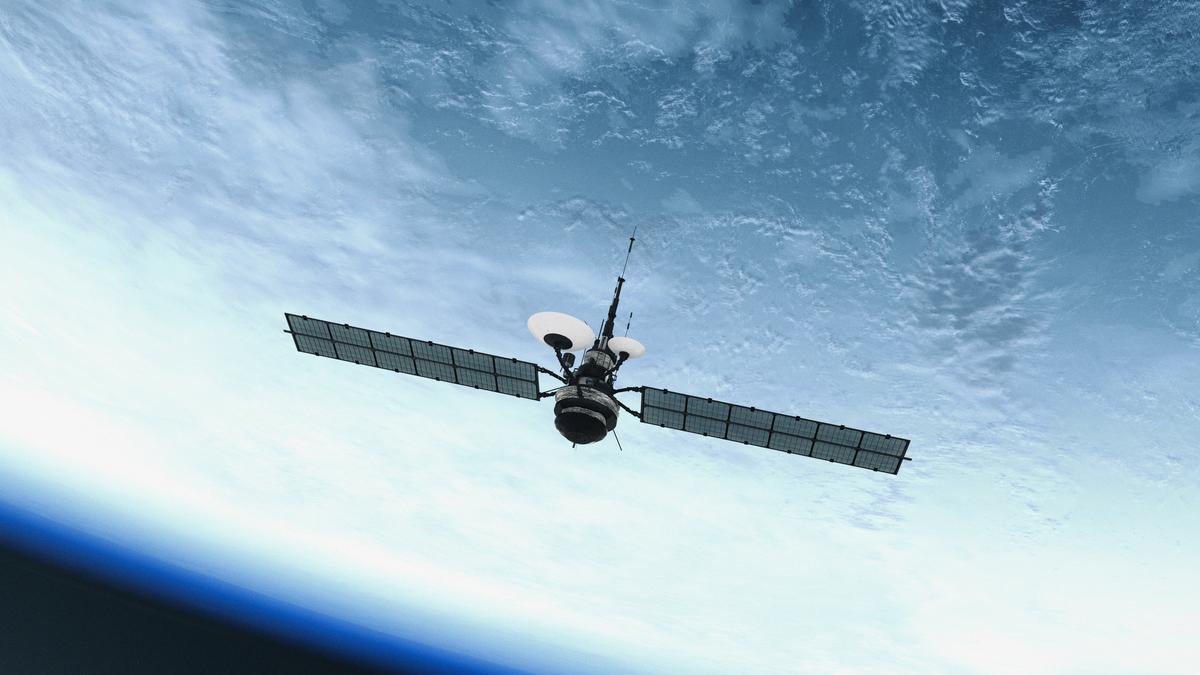
Scientists and satellite operators are exploring In-Orbit Computing (Orbital Computing) to process satellite data directly in space instead of sending all raw data to Earth.
How Does It Work?
Satellites collect data through onboard sensors.
Onboard computers and AI analyse the data in space.
Only relevant or processed information is transmitted to ground stations.
This reduces the need to transmit large volumes of raw data.
Need for In-Orbit Computing
Traditionally, satellite data must be:
Recorded by satellites.
Downloaded at ground stations during satellite pass windows.
Analysed before being used.
This process can delay access to critical information.
Applications
Disaster Management: Faster identification of flood-affected areas and damaged infrastructure.
Agriculture: Timely analysis of crop conditions.
Weather Monitoring: Faster processing of weather-related observations.
Ocean Monitoring: Real-time analysis of ocean-related data.
Significance
Reduces data transmission delays and bandwidth requirements.
Enables faster decision-making during emergencies.
Improves the efficiency of satellite-based services.
Could allow researchers to access computing resources in space without owning or launching satellites.
- About in-orbit Computing
- What is in-orbit computing
Swipe up (or press ↓) for the next news