Naga Ancestral Remains Return to Kohima After 100 Years
Eduteria Insights · 27 Nov 2026
Why in News?
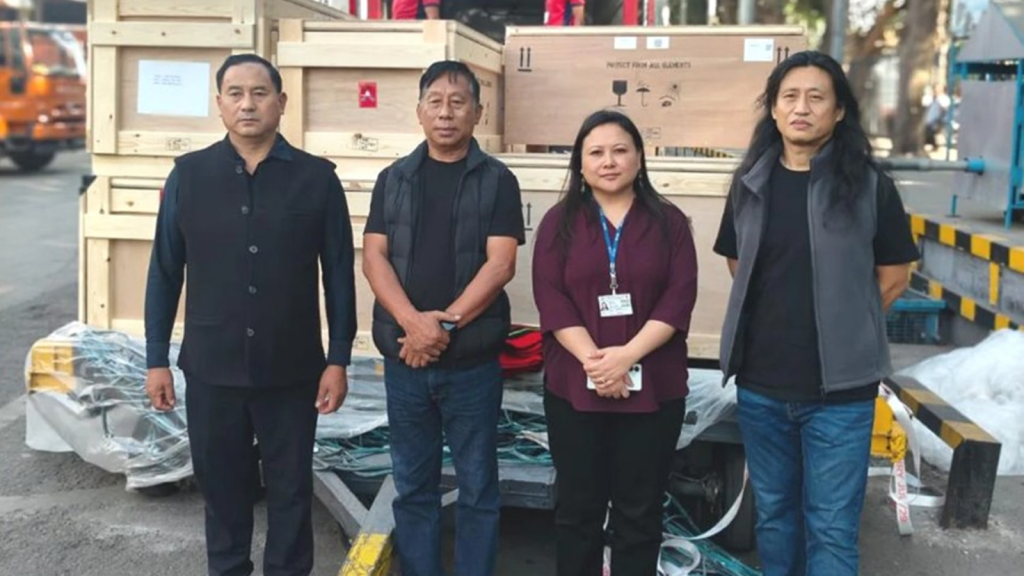
39 Naga ancestral human remains are scheduled to reach Kohima, Nagaland, on November 27, 2026, after being held at the University of Oxford’s Pitt Rivers Museum for nearly 100 years.
Repatriation is the act or process of returning a person, money, or cultural property back to its country of origin, allegiance, or citizenship.
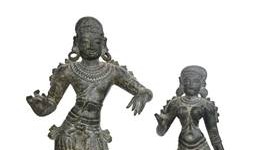
Pitt Rivers Museum is a museum displaying the archaeological and anthropological collections of the University of Oxford in England.
Tribal leaders and community representatives have agreed to bury the remains at a single location in Kohima, rather than in different places.
Background of the Repatriation
The repatriation process was initiated in 2020 following an agreement with the museum.
The remains were taken away during the colonial period and have remained overseas for decades.
The return is being viewed as an important step towards restoring ancestral dignity, cultural identity, and historical justice.
Key Highlights
The 39 remains will be buried at Naga Solidarity Park, associated with the Nagaland Students’ Federation.
Community leaders emphasized that the return represents a restoration of ancestral connection and collective identity.
Government-level discussions were held to facilitate customs, archaeological, and cultural procedures.
The Pitt Rivers Museum reportedly holds around 215 Naga ancestral remains, including hair and nails.
The current agreement covers 39 remains, while discussions for the return of additional ancestral remains are expected to continue.
- Naga Ancestral Remains
- Repatriation 2026
- Pitt Rivers Museum
- Oxford University
- Nagaland
- Naga Heritage
- Indigenous Rights
- Colonial History
- Cultural Repatriation
- Ancestral Remains
- Tribal Identity
- UPSC Current Affairs
- BPSC Current Affairs
Swipe up (or press ↓) for the next news