India’s Clean Energy Push: 500 GW in 10–11 Years
Eduteria Insights · 3 Nov 2026
Why in News?
Prime Minister Narendra Modi has announced that India aims to add 500 GW of new non-fossil fuel-based power capacity over the next 10–11 years.
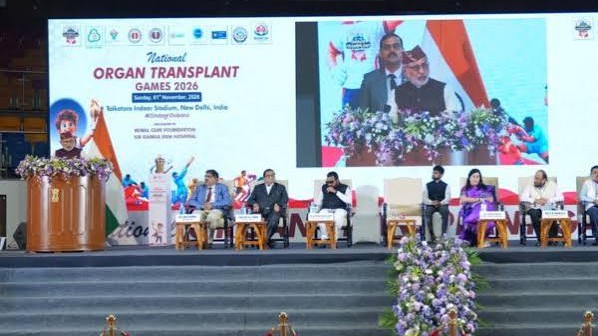
He made the announcement while addressing the inaugural session of the Bharat Renewable Energy Summit and Expo 2026 at Bharat Mandapam, New Delhi.
India’s Progress in Clean Energy
Highlighting India's progress in renewable energy, the prime minister said that the country had already achieved an important milestone under its Paris Agreement commitments.
Target achieved early: India had pledged to ensure that 50% of its installed electricity capacity came from non-fossil fuel sources. It achieved this target in 2025, five years ahead of the 2030 deadline.
Further expansion: India is now aiming to add another 500 GW of non-fossil fuel capacity over the next 10–11 years.
Growing capacity: According to the Ministry of New and Renewable Energy, India's total installed power generation capacity stood at approximately 558.89 GW.
The prime minister expressed confidence in India's ability to achieve the ambitious target, emphasizing the country's growing capabilities in the clean-energy sector.
Why Is the 500 GW Target Important?
India's growing energy demand makes the expansion of clean power sources increasingly important. Additional non-fossil fuel capacity can help the country:
Reduce dependence on coal and other fossil fuels.
Lower carbon emissions and support climate commitments.
Strengthen energy security by reducing dependence on imported fuels.
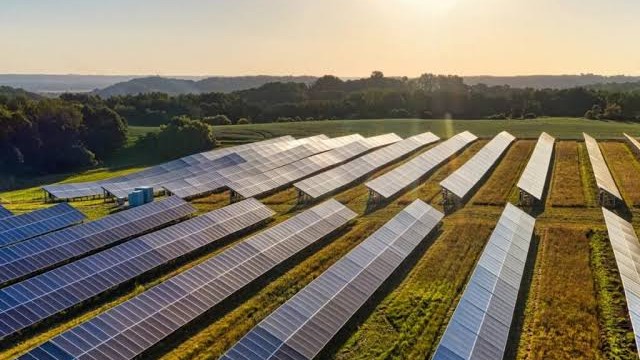
Encourage investment in solar, wind, hydro, and other clean-energy technologies.
Create new opportunities in manufacturing, infrastructure, and green jobs.
- 500 GW Clean Energy Target
- Non-Fossil Fuel Capacity
- Bharat Renewable Energy Summit 2026
- Renewable Energy in India
- Solar Energy
Swipe up (or press ↓) for the next news