INDIA HIGHLIGHTS UNEQUAL COST OF CONFLICTS AT UN SECURITY COUNCIL
Eduteria Insights · 24 Nov 2026
Why in News?
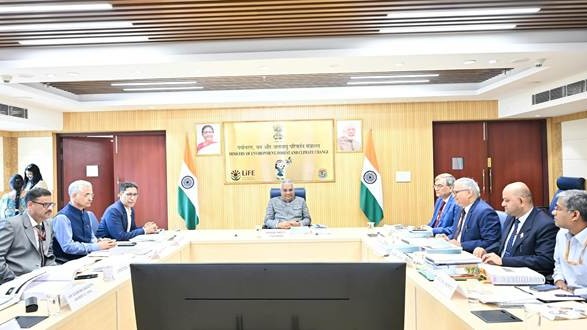
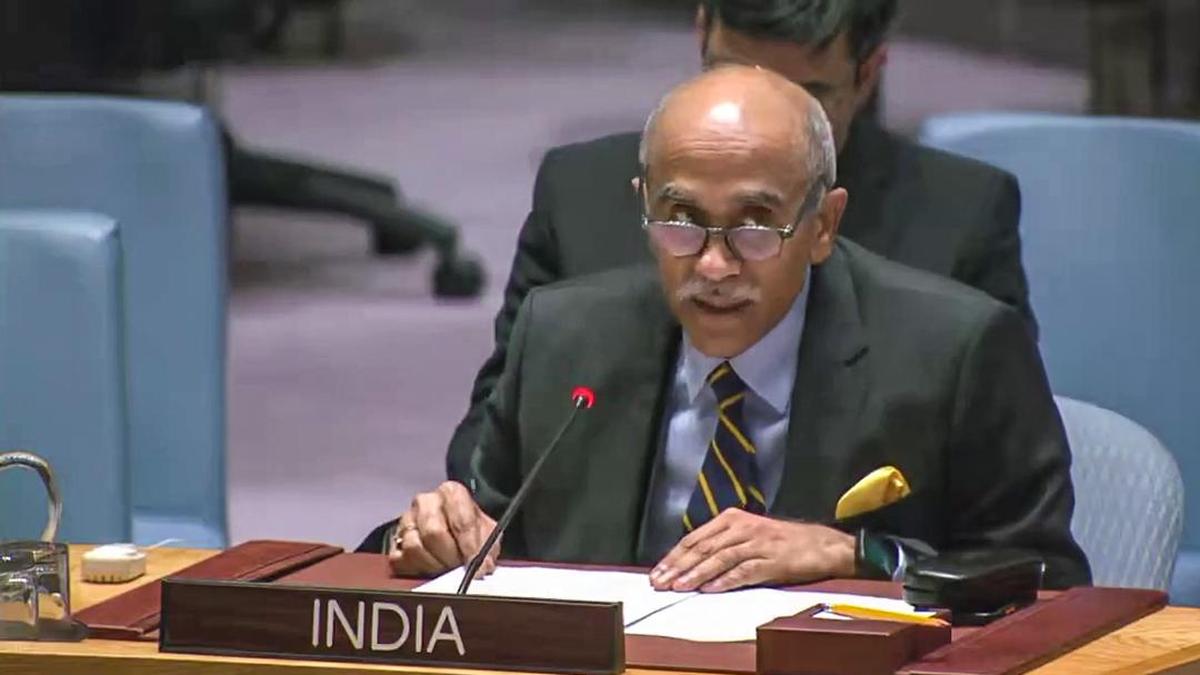
On 23 November 2026, India highlighted the disproportionate impact of global conflicts on developing countries at a high-level briefing of the UN Security Council (UNSC).
India's Permanent Representative to the UN, Ambassador Harish Parvathaneni, invoked the 1943 Bengal Famine to highlight the human cost of conflicts.
India's Key Observations
Developing countries, particularly the Global South, bear the greatest burden of shortages of Food, Fuel, Fertilisers, Energy
The Ukraine conflict, now in its fifth year, has disrupted global food and energy supply chains.
Conflicts worsen food insecurity by disrupting agriculture, displacing communities, damaging infrastructure and restricting humanitarian access.
Historical Reference: Bengal Famine of 1943
Occurred during the Second World War in British India.
More than 3 million people died.
India highlighted it as an example of how wartime priorities and distant conflicts can cause severe humanitarian consequences for populations not responsible for starting them.
It underlined the importance of preventing food insecurity.
Black Sea Region and Global Food Security
The UNSC briefing focused on “Protecting Critical Energy Infrastructure and Black Sea Lifelines of Global Food Supply.”
The Black Sea region and India together account for nearly one-fifth of global cereal production.
Russia and Ukraine account for almost one-fourth of global wheat, maize and barley exports.
Disruptions to maritime connectivity, agricultural production and trade affect food security worldwide.
- Bengal Famine 1943
- 1943 Bengal Famine
- Global Food Security
- Food Insecurity
- United Nations Security Council
- UNSC
- India at UNSC
Swipe up (or press ↓) for the next news