CORSIA 2027: India’s Push for Sustainable Aviation Fuel
Eduteria Insights · 26 Nov 2026
Why in News?
The mandatory second phase of CORSIA will become effective from January 2027, bringing more international airlines, including Indian carriers, under binding carbon-offsetting obligations.
CORSIA stands for Carbon Offsetting and Reduction Scheme for International Aviation
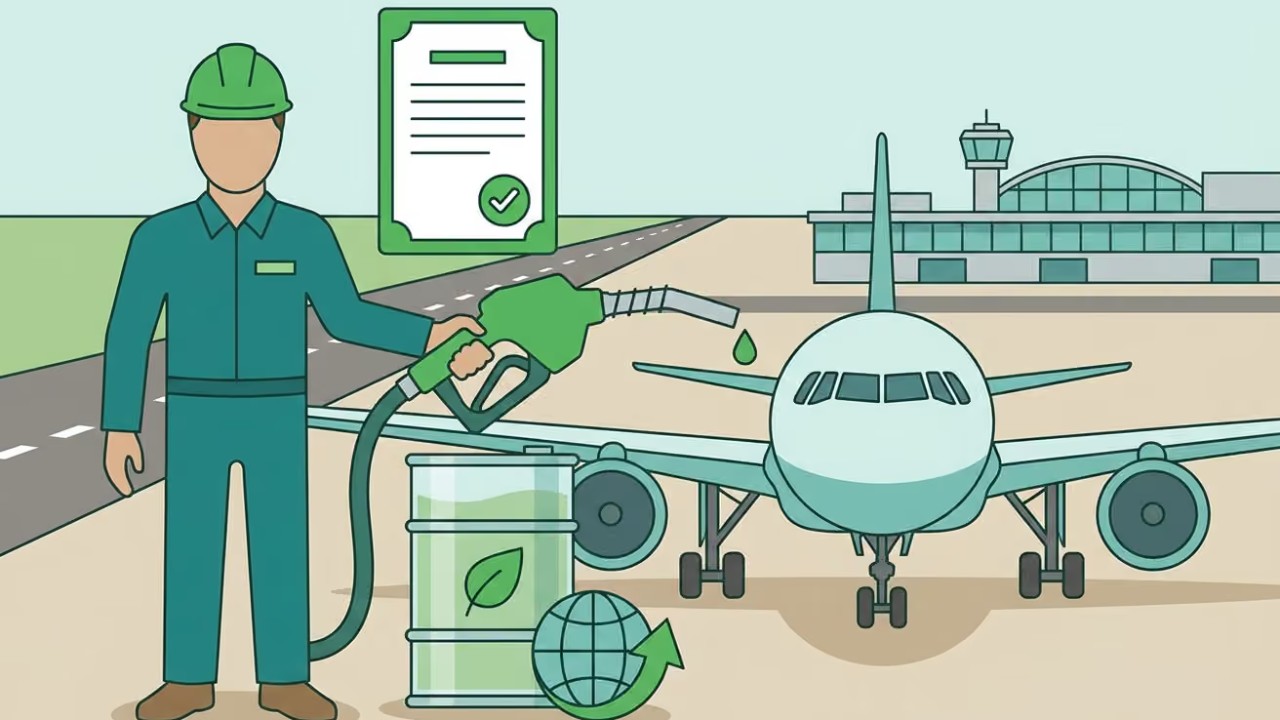
Indian Oil Corporation (IOC) has become the first Indian firm to secure International Sustainability and Carbon Certification (ISCC) CORSIA certification for Sustainable Aviation Fuel (SAF) production.
What Is CORSIA?
CORSIA is a global market-based mechanism to address carbon emissions from international aviation. It is adopted in October 2016 by the International Civil Aviation Organization (ICAO).
Objective: Achieve carbon-neutral growth in international aviation by offsetting emissions exceeding prescribed baselines through eligible carbon credits.
Phases: Pilot phase (2021–23), first phase (2024–26), and second phase (2027–35).
India opted out of the voluntary phases, but mandatory obligations for Indian carriers will begin in January 2027.
What Is Sustainable Aviation Fuel (SAF)?
SAF is a cleaner alternative to conventional Aviation Turbine Fuel (ATF), produced from sustainable feedstocks such as used cooking oil, agricultural residues, and other renewable sources.
It can help airlines reduce lifecycle carbon emissions while supporting cleaner aviation technologies.
About carbon offset
A carbon offset is a reduction or removal of greenhouse gas (GHG) emissions used to compensate for emissions produced elsewhere. It is typically measured in tonnes of carbon dioxide equivalent (tCO₂e), where one offset credit represents one metric tonne of emissions reduced, avoided, or removed.
India’s SAF Roadmap
India has outlined the following blending targets for international flights:
1% by 2027
2% by 2028
5% by 2030
IOC's Panipat facility plans to produce 35,000 tonnes of SAF annually using used cooking oil. The company is also developing an alcohol-to-jet SAF facility with LanzaJet.
Challenges Ahead
High production costs compared with conventional ATF.
Limited availability of sustainable feedstock.
Collection, quality consistency, and traceability of used cooking oil.
Fragmented supply chains and seasonal availability of agricultural residues.
Need for certification, blending infrastructure and financial incentives.
- CORSIA 2027
- Carbon Offsetting Aviation
- ICAO
- Sustainable Aviation Fuel (SAF)
- Indian Oil Corporation
- SAF Blending Targets
- Aviation Carbon Emissions
- Green Aviation
- Climate Change
- UPSC Current Affairs
- BPSC Current Affairs
Swipe up (or press ↓) for the next news