Black Carbon Reduction Alliance – COP31
Eduteria Insights · 21 Nov 2026
Why in News?
Cambodia, Mexico and Panama joined the Peer Network on Sectoral Action on Black Carbon at COP31 on 16 November 2026.
The network now has 12 member countries, aiming to reduce black carbon emissions through international cooperation.
About Black Carbon
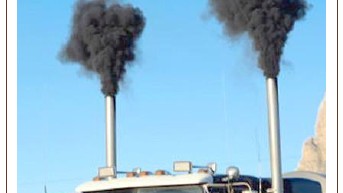
Black carbon (soot) is produced by the incomplete combustion of fossil fuels and biomass.
Major sources: diesel vehicles, household cooking, industries, wildfires, waste burning and agricultural residue burning.
It is a Short-Lived Climate Pollutant (SLCP) that remains in the atmosphere for days to weeks.
It absorbs sunlight and warms the atmosphere.
When deposited on snow and ice, it reduces reflectivity (albedo) and accelerates melting.
It contributes to air pollution and causes respiratory and cardiovascular health problems.
Down To Earth+1
Peer Network on Sectoral Action on Black Carbon
Established at COP30 (Belém, Brazil) by 9 countries.
New members: Cambodia, Mexico and Panama.
Total membership: 12 countries.
Objective: Share technical knowledge, policies and best practices to reduce black carbon emissions.
Focus sectors: Transport, energy, industry, agriculture, household cooking and waste management.
Significance
Reduces air pollution and protects public health.
Helps slow near-term global warming.
Supports glacier and snow protection.
Promotes international cooperation on climate action.
Targeted action on black carbon and ground-level ozone could prevent about 0.14°C of warming by 2050, according to the Clean Air Fund estimate.
- Black Carbon
- Black Carbon Emissions
- Black Carbon Pollution
- Black Carbon Reduction
- COP31
- COP31 Climate Summit
Swipe up (or press ↓) for the next news